
Sahel regional leaders give new push for 10 GW Desert to Power initiative
The African Development Bank last year disclosed a plan to install 10 GW of solar in the deserts of the Sahel. A recent summit held in Burkina Faso may have brought the ambitious project a step closer.

South Sudan to embrace renewables
The South Sudan Electricity Corporation is seeking consultants to define the nation’s Renewable Energy Development Program and its related tender mechanism. The plan could put the world’s youngest country – which is in the grip of a long, brutal civil war – on a path to sustainability.
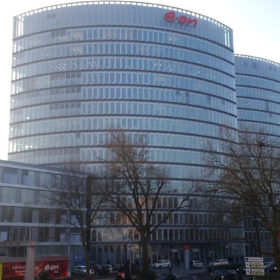
EU approves Eon’s bid to take over Innogy
It took a while, but now the energy giants can finalize the mega deal. Rival energy companies have criticized approval of the deal amid fears Eon could dominate the German market.
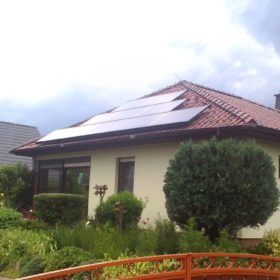
Poland slashes VAT for residential solar from 23% to 8%
The Polish parliament has adopted new environmental provisions which also include a tax reduction for micro PV. The measure comes on top of the Mój Prąd rebate scheme for residential rooftop projects ranging in size from 2 kW to 10 kW which was launched in July.
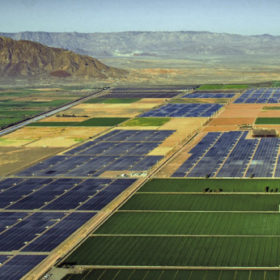
The US tops 37.9 GW of large scale solar
That record figure of utility scale PV was under contract at the end of June with 8.7 GWdc under construction. However, installation levels fell slightly, year-over-year.
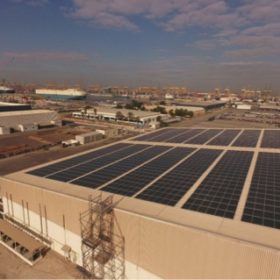
Dubai has 106 MW under net metering
Most of the generation capacity – around 63 MW – was deployed in the emirate over the last 14 months.

Brexit paralysis and lack of incentives leave community energy facing uphill struggle in the UK
The future benefits of technology such as smart meters and the associated aggregation of small scale generation are not being adequately rewarded, support for solar and wind is being cut off and parliament is fixated solely on one issue.

Colombia imposes renewables quota on power distributors
The obligation will be applied annually from 2022. The clean electricity required will have to be bought through power purchase contracts of at least 10 years’ duration.
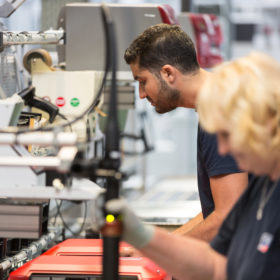
SMA: ‘We can’t be credible if we’re not sustainable’
Credibility comes not just from offering products that generate clean electricity, but also from the way in which those products are manufactured, says SMA Solar Technology CEO Jürgen Reinert. Here, transparency and sustainability are key. That’s why one of the world’s largest PV inverter producers has partnered with pv magazine’s UP sustainability initiative. In the following Q&A, Reinert lays out what SMA is doing to step UP its green game.
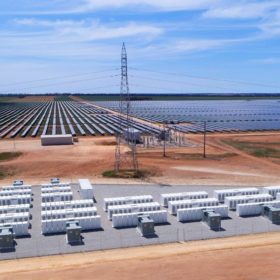
Australia’s AEMO radically curtails output of five large solar farms
The Australian Energy Market Operator constrained the output of several large-scale solar plants by 50% on Friday, in response to voltage fluctuations in a 220 kV network spanning the states of Victoria and New South Wales.
