
Romania awards 1.4 GW of solar at average €40.46/MWh in second auction
Romania has allocated 1,488 MW of solar in its second contracts for difference (CfD) auction for renewables. Prices of the 26 winning solar bids ranged from €35.50 ($41.59)/MWh to €45.20/MWh.
South Korea urges US to exempt firms from polysilicon tariffs
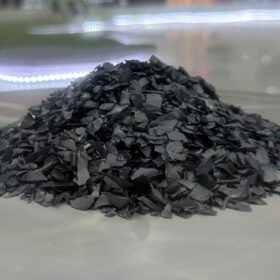
South Korea’s Ministry of Trade, Industry and Energy (MOTIE) is urging the United States to exempt its companies from Section 232 polysilicon tariffs, warning that restrictions could disrupt $2.8 billion in US solar investments.
Brazil’s regulator delays decision on storage regulation amid grid tariff dispute
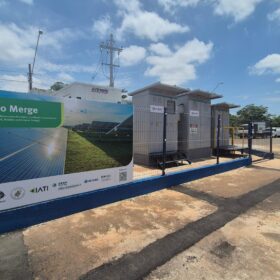
Aneel postpones ruling on energy storage tariffs, with debate focusing on transmission charge treatment and limits.
US may lose 60 GW solar pipeline under stricter tax credit rules
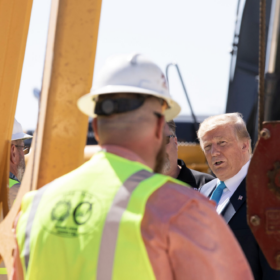
Clean Energy Associates (CEA) forecasts a significant drop in solar installations if the US Department of the Treasury strictly enforces an executive order from the White House related to timelines for tax credit eligibility.
Remedies for PV curtailment in Poland
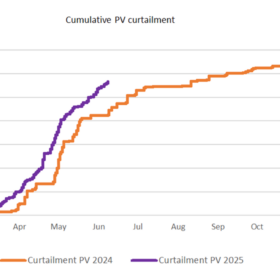
Solar curtailment is on the rise in Poland, with around 600 GWh of PV capacity reduced during the first six months of 2025. The Warsaw-based Institute for Renewable Energy (IEO) suggests one solution is to support the electrification of Poland’s heating sector with the surplus of PV power.
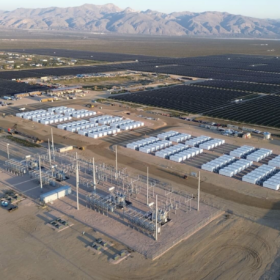
California activates $2 billion solar and energy storage facility
Arevon Energy has completed the $2 billion, two-phase Eland solar-plus-storage project in Kern County, California, which will supply about 7% of Los Angeles’s electricity demand.

Indonesia unveils plan for 100 GW of solar
The new initiative features plans for 80 GW of 1 MW solar minigrids with accompanying battery energy storage, to be deployed across 80,000 villages, alongside 20 GW of centralized solar power plants.

Is China’s $7 billion plan to reduce polysilicon overcapacity feasible?
OPIS, Wood Mackenzie, and Bernreuter Research have spoken with pv magazine about China’s alleged $7 billion plan to reduce polysilicon oversupply and restore a sustainable pricing environment for the PV supply chain, but opinions remain divided on its feasibility and effectiveness.
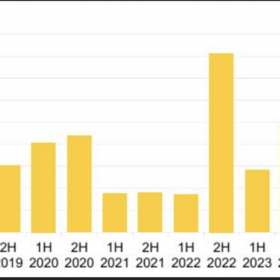
Australia faces slowdown as investment in solar and wind falls 64% in 2025
Investment in new large-scale solar and wind in Australia fell by 64% year on year in the first half of 2025 as grid bottlenecks, slow planning approvals, higher costs, and social licensing issues took a heavy toll.
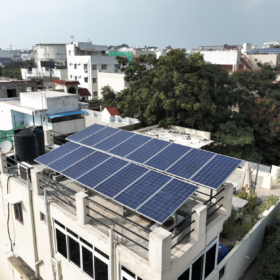
India mandates rooftop monitoring and inverter integration for 30 GW of solar
India’s renewable energy ministry has issued draft rules requiring all solar inverters installed under its 30 GW rooftop program to link directly to national servers, aiming to improve grid stability and cybersecurity. Industry groups back the plan but warn of high compliance costs, supply chain constraints, and uneven connectivity.
