
Bangladesh launches 500 MW PV tender
The Bangladeshi authorities are seeking proposals to build 10 PV plants with each a capacity of 50 MW across several regions.

Carbon dioxide removal portfolios enable reaching ambitious climate targets
In a new monthly column for pv magazine, the LUT University describes how carbon dioxide removal may support reaching climate targets from a portfolio perspective.
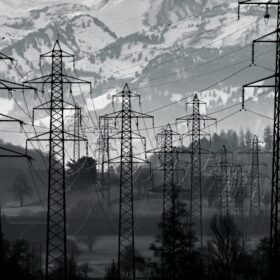
Europe posts record negative power prices for 2024 as renewables rise
The number of periods when day-ahead power prices fell to zero or below hit a record 4,838 instances in Europe in 2024, driven by surging renewables, weak demand, and limited grid flexibility, says Montel Analytics.
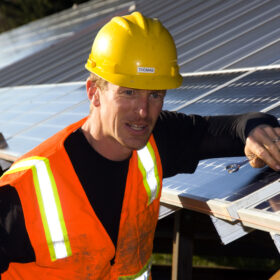
US state attorneys general urge Congress to keep IRA clean energy credits
Seventeen US state attorneys general have urged Congress to retain clean energy tax credits, citing the Inflation Reduction Act’s (IRA) “catalytic” effect on economic growth, especially in Republican districts.
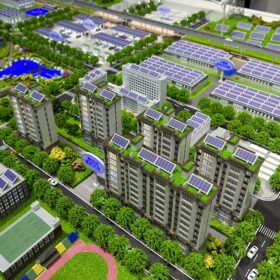
The best residential PV system configuration for Saudi Arabia
Researchers in Saudi Arabia have identified the best and optimum PV system configurations for the Saudi residential market. Their analysis investigated the capacity threshold that leads to a lower cost of electricity compared to grid electricity costs. They used NREL’s HOMER software to analyze the energy requirements of the residential units, the solar energy potential and weather characteristics of the selected location, and the financial parameters influencing a project’s profitability.

Malaysia opens bidding for 2 GW of large-scale solar
Malaysia’s Energy Commission has launched an open tender seeking 2 GW of large-scale solar projects, with capacities ranging from 10 MW to 500 MW, to support the nation’s clean energy transition.

Romania allocates €150 million for standalone battery storage rollout
The Romanian Ministry of Energy has announced a new round of funding from the Modernization Fund dedicated to battery energy storage systems.

Uruguay launches tender for 75 MW solar park
Uruguay’s National Administration of Electric Power Plants and Transmissions (UTE) has kicked off a tender for a 75 MW solar project in Cerro Largo, with operations set to begin between March and June 2028. The bidding process will close in January 2026.
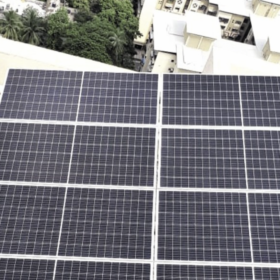
India’s rooftop solar scheme could drive $13.9 billion opportunity
India’s PM Surya Ghar Muft Bijli Yojana initiative (PM-SGMBY) could create a INR 1.2 trillion ($13.9 billion) opportunity for PV module, inverter, and component manufacturers, benefiting project developers and engineering, procurement, and construction (EPC) contractors, according to SBICAPS.

All renewables PPA structures at a glance
German scientists have identified 18 typologies of power purchase agreements for the renewable energy market. Their research is intended to support policymakers, scientists and investors in implementing their own PPA analysis and choices.
