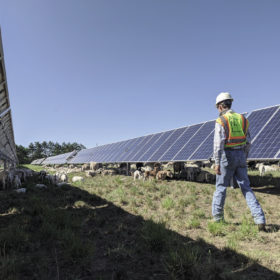
The weekend read: The ground beneath
A number of drivers are highlighting the importance of vegetation management in utility-scale solar projects, from coupling with agriculture to the significance of pollinators, as well as the related permitting and O&M benefits. Tom Karas of Minnesota Native Landscapes sets out why awareness of comprehensive vegetation management is of growing importance in the solar sector.

Sustainable aircraft fuel will need a lot more renewables capacity
A research paper into the prospects of manufacturing ‘power-to-liquid’ kerosene in Germany has concluded the government will end up importing it. Wherever the world’s clean aviation fuels are made, however, it seems a lot of clean power will be needed to drive the production process.

Politicians talk a green game, but do they have solar on their home rooftops?
The Solar Power Challenge website aims to identify the politicians who support solar and have the rooftop panels at home to prove it. The results will not surprise you.
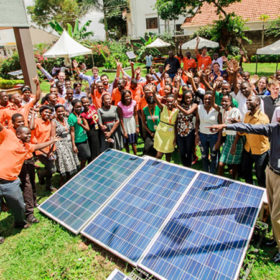
Fall in off-grid solar sales deprives 5m people of access to clean power
The latest edition of the Global Off-grid Solar Market Report by the World Bank and GOGLA has called for regulatory and financial support to help off-grid distributors create jobs lost to the Covid-19 pandemic.
Australia a key player in new Global Power System Transformation team of 6
This week will see the official launch of a global taskforce that aims to support worldwide uptake and integration of renewables and achieve at least 50% reduction in emissions over the coming decade.
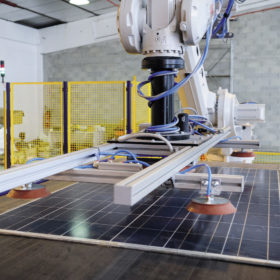
The weekend read: Circular innovations
Slowly but surely, environmental concerns are making their way into mainstream thought throughout the PV industry. A look at recycling offers an example of this, with stakeholders trying to get ahead of the high volumes of end-of-life modules already on the horizon. pv magazine examines the technologies that will be needed, alongside policy and economic support, to keep the bulk of these modules out of landfill and ultimately to establish a circular economy for PV materials.
The state of European energy
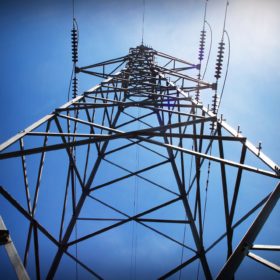
The proportion of clean energy consumed in the EU continues to rise but the European Commission’s State of the Energy Union report is critical of failings in energy efficiency, low-carbon-R&D spending, and the removal of fossil fuel subsidies.

German company scores $9m solar pump order in Bangladesh
Raach Solar and its Power Utility Bangladesh Ltd local partner have landed two contracts to supply more than 700 pumps in the north-western Bogra district, with the Asian Development Bank footing the bill.

Scania develops solar cell-clad trailer
The 18-meter long solar cell-clad trailer is said to enable fuel savings of 5-10% in Sweden. Swedish thin-film manufacturer Midsummer is a partner on the project.
China will need 1.9 TW of solar by 2060 to hit net zero – WoodMac
The bill for full decarbonization of the economy – which is likely to see the decommissioning of no more than half the current coal fleet, with CCS doing some heavy lifting, according to the US-owned analyst – could come in at more than $5 trillion.
