
Enphase unveils distributed solid-state transformer for AI data centers
The announcement of the company’s latest module power electronics project came alongside Q1 2026 earnings that showed a 20.6% decrease in year-over-year revenue numbers amid a steep decline in domestic demand.
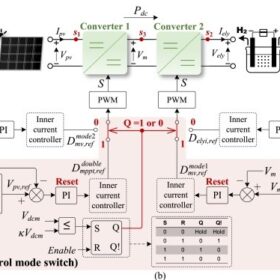
Low-power ride-through tech keeps green hydrogen flowing in standalone PV–electrolyzers
A UNSW-led research team proposed two low-power ride-through strategies for standalone PV–electrolyzer systems to maintain stability during sudden solar power fluctuations without using battery storage.

China tightens carbon accountability framework, strengthening structural push for renewables
Beijing has introduced a stricter national carbon evaluation system that formally holds provincial governments accountable for emissions reduction and energy transition targets.
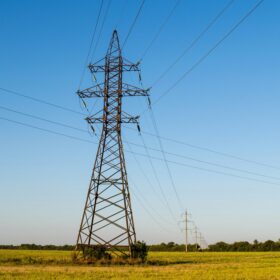
New Zealand’s grid operator finds emerging energy gap in early 2030s
Transpower’s latest assessment of New Zealand’s balance between electricity supply and demand suggests an energy gap could emerge in the early 2030s, even if all committed and likely investments are delivered without delay.

Australia’s energy commission targets lower solar curtailment
Australia’s Energy Market Commission says introducing a new distribution planning framework and undertaking enhanced data reporting will help to reduce rooftop solar curtailment.
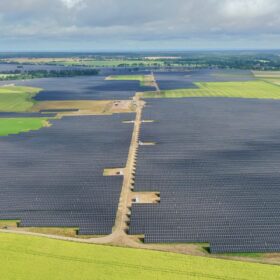
First PV plant operating in Poland’s balancing market
The 204 MW Zwartowo solar power plant is the first large-scale solar project authorized to provide balancing services in Poland.

Maldives’ largest floating solar array goes online
Swimsol says the 2.4 MW floating PV array will supply the resort island of Cheval Blanc Randheli, reducing diesel consumption and saving about $1.5 million in fuel costs. The company’s engineering team told pv magazine how the system will operate.

How to operate PV-driven residential heat pumps under time-varying tariffs
Researchers in the United Kingdom developed a scheduling model for residential heat pumps that reduces electricity costs while maintaining thermal comfort under dynamic tariffs and uncertain rooftop PV generation. It optimizes when to use grid power, PV energy, and building thermal storage.

Jinko Power enters data center business with 1 GW project in China
Jinko Power signed a framework agreement with Zhongwei to develop a 1 GW data center in Ningxia, marking its entry into green computing under China’s “Eastern Data, Western Computing” initiative. The project, however, remains subject to approvals and funding scrutiny.
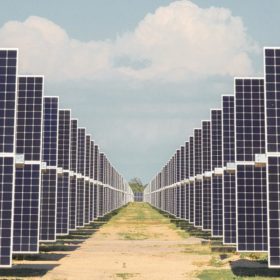
Negative power prices reach all-time high on the Iberian Peninsula in Q1
Spain and Portugal recorded a surge in negative electricity prices in Q1, driven by strong solar generation and relatively low demand on the Iberian Peninsula. Further records are likely in 2026 as solar capacity grows, with more frequent price volatility expected across Europe.
