
Solar PV, geothermal hybrid systems are more than niche solutions
Solar energy, driven by excellent resource conditions and rapidly improving economic attractiveness, is expected to emerge as a bulk energy supplier in future energy systems. The self-limiting effects of solar power can be circumvented through solar-hybrid solutions, such as PV-geothermal hybrid configurations.

How Switzerland plans to integrate 40 GW of solar by 2050
Swiss national grid company Swissgrid teamed up with a group of Swiss energy expects to publish a white paper covering how Switzerland can integrate up to 40 GW of solar by 2050 while maintaining safe and reliable operation of the grid.

AI-enabled hacks expose remote shutdown risk in microinverters
IT security firm Jakkaru has identified a vulnerability in microinverters from AP Systems that could enable a “kill switch” scenario, potentially shutting down tens of thousands of inverters simultaneously and disrupting grid operations.
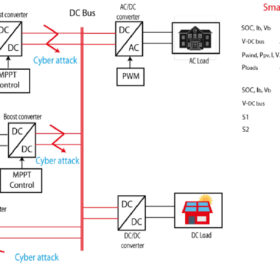
All emerging cyber threats targeting power infrastructure at a glance
Researchers in Moroco analyzed cybersecurity challenges in smart grids, highlighting AI-driven detection and defense strategies against threats like distributed denial-of-service, false data injection replay, and IoT-based attacks. They recommend multi-layered protections, real-time anomaly detection, secure IoT devices, and staff training to enhance resilience and safeguard power system operations.
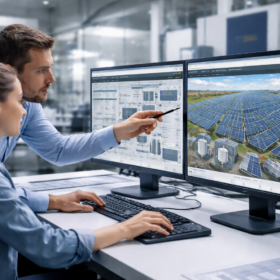
New intrusion detection systems boost protection of SCADA systems against cyber threats
An international reserch team developed two deep learning-based IDS models to enhance cybersecurity in SCADA systems. The hybrid approach reportedly improves detection of complex and novel cyber threats with high accuracy, adaptability, and efficiency, outperforming traditional methods across multiple datasets.
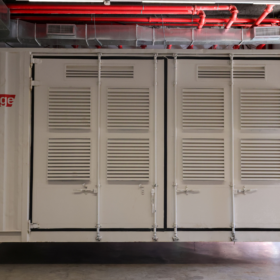
SolarEdge outlines path to 800 V (DC) data center infrastructure
SolarEdge has outlined a transition pathway to integrated 800 V (DC) infrastructure for data centers, arguing that legacy alternating current (AC) systems introduce inefficiencies that could constrain the growth of AI workloads. It says rising compute demand and next-gen NVIDIA GPUs are increasing urgency, while data centers lose an estimated 10% to 30% of input power through multiple conversion stages.
Grid bottlenecks threaten 120 GW of planned renewables in Europe
Latest analysis from Ember finds major grid bottlenecks in transmission and distribution networks across Europe, threatening the viability of both future utility-scale and smaller-scale residential solar in the most impacted countries.

BBDF 2026 Opening Session: Optimism, caution, and grid fees
Investors at the Battery Business & Development Forum (BBDF) 2026 signaled continued confidence in the energy storage market, while warning that regulatory uncertainty, particularly around grid fees in Germany, could affect project economics and investment decisions.

PV, storage to anchor Ireland’s first co-located data center campus
Due for completion in 2028, the DUB20 data center campus in County Wicklow will feature battery energy storage and solar PV installations capable of generating 6,000 MWh annually. It will be Ireland’s first Green Energy Park, delivered as part of its large energy users action plan (LEAP).

What are the selling points of marine energy?
Marine energy is renewable and generally predictable. It could thus compensate for the unplanned intermittency of solar and wind generation, its proponents argue. But several challenges still need to be overcome for the energy to become widely used.
