Using surplus PV power for seasonal underground thermal storage
Scientists have proposed a new system that uses surplus PV energy in the spring and the autumn to charge up underground thermal energy storage for later use in the summer and winter. They have simulated it on a school facility in Seoul, with a few optional configurations for thermal storage. Power savings were up to 39%.

Storage, hydrogen, and demand flexibility key to avoiding negative prices
Antonio Delgado Rigal, CEO of Spain’s AleaSoft Energy Forecasting, speaks with pv magazine about the rise in negative price hours in major European energy markets. He emphasizes the need for more storage capacity and argues that negative price periods will probably not threaten project profitability over the long term.
France records 233 hours of negative electricity prices in H1
KiloWattSol, an independent solar consultancy, says there were 308 hours of negative electricity prices from the start of 2024 to Aug. 23 – more than double the 147 negative hours recorded in 2023.

Singapore signs deals to import 400 MW of renewables from Indonesia
Singapore has advanced its goal to import 4 GW of low-carbon electricity by 2035 by signing two new agreements with parties in neighboring countries, including Australia’s SunCable project.

Combining hybrid wind-solar with pumped hydro in rural electrification
Scientists in Morocco have evaluated how hybrid wind solar plants may be combined with pumped hydro storage to power remote rural areas. The proposed system was found to have an LCOE $0.03831/kWh and a 86% use factor.
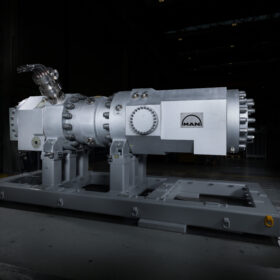
Finland to build world’s largest air-to-water heat pump plant
Helen, a Helsinki-based energy company, has unveiled plans for a large-scale district heating plant complex. Germany’s MAN Energy Solutions is supplying a 33 MW air-to-water heat pump, the largest ever used for a district-heating plant, with ambient air and renewable electricity for heat generation.
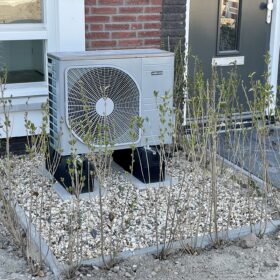
Dutch scientists assess consumers’ willingness to pay for renewable heating
A survey of 1,797 residents was used to determine the willingness to pay for low-carbon residential heating in the Netherlands. On average, respondents were willing to pay a premium of 33% for electricity-based heating. Policy recommendations were also provided as part of the study.

Australia’s largest transmission project reaches major milestones
Australia’s EnergyConnect project – a 900 km transmission line that will link the energy grids in the states of South Australia, Victoria, and New South Wales – has hit two major milestones, including progress on the main substation hub.

Novel blockchain-based virtual utility for P2P PV trading
Researchers from Canada’s Western University have developed an open-source, blockchain-based virtual utility for peer-to-peer (P2P) solar trading, using smart contracts to save up to $1,600 (US dollars) for 10 homes in simulated scenarios.

EDF Renewables wins tender for largest PV plant in Israel
EDF Renewables says it has won a tender to build and operate Israel’s largest PV plant, a 300 MW project near Dimona, with a bid under $0.019/kWh – the lowest price ever in the Israeli market.
