China offers insight into transition to subsidy-free solar
The emphasis on grid-parity PV has been highlighted in a consultation document that has emerged after several weeks of haggling in Beijing. Chinese analyst AECEA says the success of any subsidy-free effort would hinge on the ability of power companies to transmit and guarantee consumption of power generated by new projects.
Belgian scientists develop solar hydrogen panel
The innovation is said to be able to produce 250 liters of hydrogen per day and can convert sunlight and water vapor from the air directly into hydrogen gas with an efficiency of 15%.
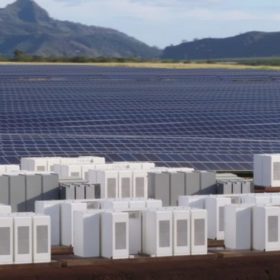
Storage set to come of age in the next five years
The transition for utility scale storage from offering short duration, high value grid services to the world of long duration energy peaking could spell the end of fossil fuel backup generation within five years.
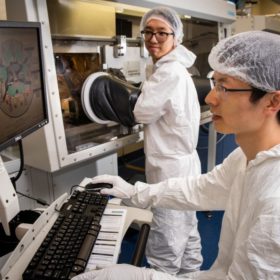
Australian researchers to develop new tandem PV cell measurement equipment
The Commonwealth Scientific and Industrial Research Organisation (CSIRO) and Adelaide-based laser supplier Lastek are developing equipment and procedures to accurately measure the performance of multi-junction solar cells with the help of an LED-based solar simulator.

Spain’s new rules for self-consumption come into force
The provisions allow self-consumption for communities and industrial areas; reduce administrative procedures – especially for small self-consumers; and establish a simplified mechanism for the compensation of self-produced excess energy.
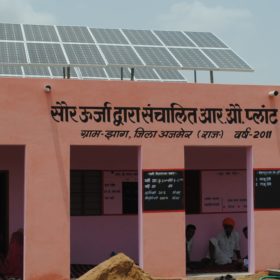
India takes to solar-powered desalination
A 10,000-liters-per-day plant in Tamil Nadu offers hope for powering clean water without fossil fuels. However, researchers warn the technology is difficult to scale up because PV panels take up so much space.

Imec, Jolywood announce 23.2% front-side conversion efficiency for n-PERT bifacial cell
The result was certified by the solar cells laboratory at the calibration and test center of Germany’s Institute for Solar Energy Research. Imec’s measurements showed cell bifaciality surpassed 80%.
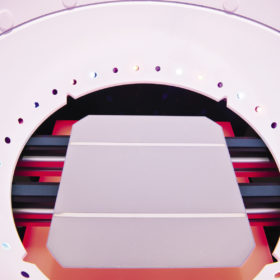
The weekend read: Quality on the line
With competition on the module market as cutthroat as ever, manufacturers are increasingly looking to emphasize the quality and reliability of their products and services as a differentiator. pv magazine investigates what’s behind some of these claims, and the move from manufacturers to more sophisticated quality assurance methods.
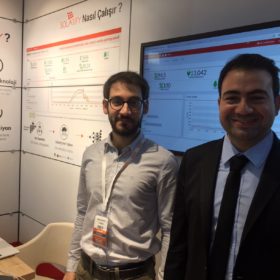
Solar AI: Made in Turkey
Celebrating its one year anniversary during Solarex, Turkish monitoring and AI startup Solarify is looking to reduce false alarms from utility scale PV projects. Based out of an incubator in Ege University in the coastal city of Izmir, Solarify is on the hunt for international partners.

New billing method and PV+storage for allday energy supply on Philippine island
No more than four hours per day, did the 160 households enjoy energy supply. This has had negative impacts on the economic development of the islands. With support from the ADB, the island inhabitants now have 24h supply of clean energy, and new billing methods that suit the economic realities of poorer households.
