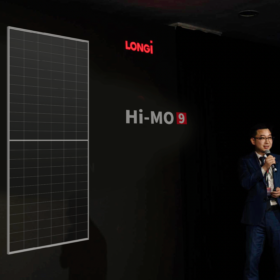
Longi presents 24.4%-efficient 660 W HPBC solar panel
Intended for applications in utility scale PV projects, the new Hi-MO 9 module is available in eight versions with power output ranging from 625 W to 660 W and power conversion efficiency spanning from 23.1% to 24.4%.

ISC Konstanz claims 24.12% certified efficiency for tunnel back contact solar cell
The result was confirmed by Germany’s Institute for Solar Energy Research Hamelin (ISFH). The cell also achieved an open-circuit voltage of 709.5 mV, a short circuit density of 11,355 mA, and a fill factor of 82.04%.
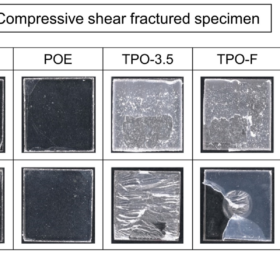
New research identifies advantages of thermoplastic polyolefin encapsulants in dual-glass solar modules
Austrian researchers performed tests on thermoplastic polyolefin (TPO) encapsulant as an alternative to conventional ethylene vinyl acetate (EVA) copolymer and polyolefin elastomers (POE) to assess its use in glass-glass modules. They report that all of the TPO specimens outperformed EVA and POE, especially TPO-3.5 encasulants.

Carbon electrode-based perovskite solar cell achieves 20.8% efficiency via new lamination tech
A research team in Australia has used a lamination technique known as cold isostatic pressing (CIP) to build a perovksite solar cell based on a flexible bilayer electrode made of carbon and silver that can reportedly compete with gold-carbon eletrode based counterparts in terms of efficiency and stability.

DLR launches solar atlas to identify rooftop PV potential in Germany
The German Aerospace Center (DLR) has created a solar atlas to identify rooftop PV potential in Germany. This new open-access online platform uses aerial photographs and geodata processed with machine-learning methods to determine solar energy potential for the country’s entire building stock of around 20 million units.
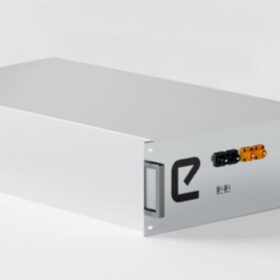
Zinc-ion batteries: a less volatile alternative?
At a time of growing demand for battery energy storage, pv magazine spoke with Eloisa de Castro, CEO of Enerpoly, a Swedish company preparing to launch the world’s first zinc-ion battery megafactory on its home turf. Having solved rechargeability issues, the company expects its safe and sustainable zinc-ion batteries, which rely solely on a European supply chain, to increase their market share in the years to come.

French agency warns against unchecked reuse of secondhand solar modules
Soren, the French environmental agency, has warned that uninstalled panels are often resold or exported through loosely regulated reuse channels, especially to developing countries.

French roofing specialist offers adhesive solar modules for low-load bearing roofs
France-based Iko is launching Iko Excel Solar, a lightweight PV solution for roofs that cannot withstand excessive loads. The 18.3%-efficient module weighs approximately 2.5 kg/m².

Renewable energy benefits surpass estimates, says Berkeley Lab
The Lawrence Berkeley National Laboratory says benefits from lower emissions are more significant than most prior estimates.

Perovskite solar cell modified with potassium trifluoromethanesulfonate achieves 23.96% efficiency
A Chinese research team has modified the absorber of a conventional perovskite solar cell with potassium trifluoromethanesulfonate (KTFS) and found that the additive improved the device performance and stability. The cell’s perovskite film reportedly showed less lead defects and lower J-V hysteresis.
