
Energy sharing in multi-microgrid systems with V2G
Researchers in Australia have developed a reconfigurable structure of a multi-microgrid to enhance the penetration of distributed energy resources in the presence of vehicle to grid technology (V2G) and found that both technical and economic aspects of the system have improved significantly.

After-sale support key to boosting off-grid solar
A new survey from US-based impact measurement company 60 Decibels shows off-grid energy customers are currently facing a series of challenges such as product affordability, gender inequality, customer support, further investment in minigrids, and over-indebtedness. The report, however, reveals that most users say the quality of their lives “very much improved” thanks to off-grid PV.

Solarever presents 410 W all-black solar panel
Mexican manufacturer Solarever says its new passivated emitter and rear cell (PERC) PV module has an efficiency of 20.97% and a temperature coefficient of -0.35% per degree Celsius.
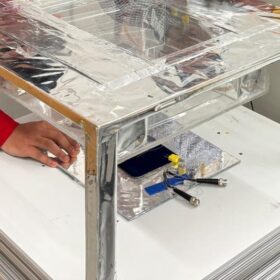
U.S. scientists build hybrid energy system integrating PV, radiative cooling
The hybrid system has a cooling power of 63.8 W/m2 and a photovoltaic power output of 159.9 W/m2. According to its creators, the cooling capacity provided by the system can be used in buildings or refrigerators.
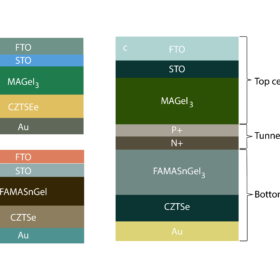
Tandem perovskite-perovskite solar cell integrating kesterite shows potential efficiency of 23.32%
The simulated tandem cell integrates a hole transport layer made of kesterite and lead-free perovskite materials. Its creators claim the combined device performs better than the individual cells it embeds.
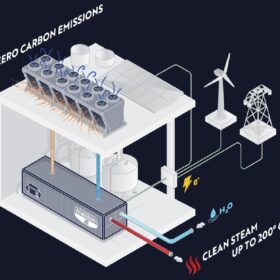
US startup develops air-source steam heat pump for industrial use
Colorado-based AtmosZero has closed a Series A funding round that will help it accelerate the commercialization of its Boiler 2.0 technology. The air-sourced heat pump generates steam for industrial use and can be combined with PV generation and storage.
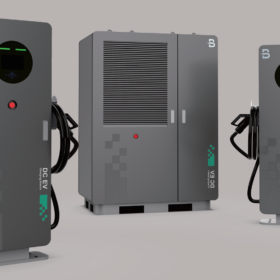
Beny launches PV-ready EV charging station
Beny New Energy says its new charger can deliver power at a range of 360 kW—600 kW. It supports various connection standards.

Dynamic photovoltaic blinds for glaze-façade buildings
Scientists from China have built photovoltaic blinds that can reportedly regulate thermal load, daylight penetration, and energy generation in high-rise buildings with glazed facades. Their creators claim the blinds offer superior architectural aesthetics and notable energy-saving potential.

Tandem solar cell based on cadmium telluride, iron disilicide promises 43.9% efficiency
Researchers in Bangladesh have designed a dual-junction tandem solar cell with a bottom device based on iron disilicide (FeSi2), an emerging absorber material know for its high thermal stability and good optoelectronic properties. Their simulation showed the advantage of combining the larger bandgap of the top cadmium telluride cell and the smaller bandgap of the bottom FeSi2 cell.

Austrian startup offers standardized system for solar bike roads
Austrian startup Mo Energy Systems has developed a standardized system for solar bike roads, featuring 12-meter-long structures with a variable width ranging from 2 meters to 4.5 meters. It includes anchoring, without the need for concrete or excavation work.
