
Solarcleano launches panel cleaning robot for large PV installations, trackers
The Luxembourg startup’s newest product is a portable, dry and wet cleaning system with 2.45 m wide brushes, designed to be operated by a single person.
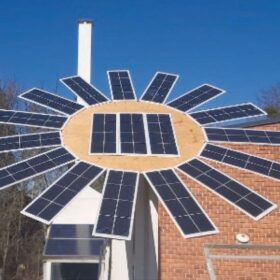
Photovoltaic trees can save forest cover
Research simulating a solar tree farm within a coastal forest in South Korea found that solar tree structures could preserve 99% of forest cover when compared to a fixed solar farm built in the same area, without sacrificing power output.

Saharan dust events can reduce PV power output in Mediterranean area by up to 50%
New research from Hungary shows that Sarahan dust events can reduce PV power output in five Mediterranean countries by an average of 25-40%. The scientists stressed the need for including real-time dust monitoring and cloud interactions in solar forecasting.

Czech cybersecurity agency warns against Chinese solar inverters
Czechia’s cybersecurity office said Chinese solar inverters in small power plants are a potential security threat. The Czech solar association told pv magazine work needs to be done on incentivizing European manufacturing to resolve the reliance on imports.

Novel MPPT methodology uses grey wolf hunting as inspiration
Researchers have developed a maximum power point tracking algorithm based on the social hierarchy and hunting strategy of grey wolves. When tested under realistic shading conditions, the grey wolf optimizer achieved an average MPPT efficiency of 98.15%, significantly outperforming conventional MPPT methods.
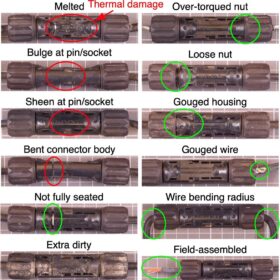
Analysis of 6,276 connectors for rooftop PV systems
Sandia National Labs researchers have created a new dataset on the rates and types of rooftop PV connector failures. Their analysis has shown that tight wire bending radius, extra dirty connectors, and loose nuts are the most common failure causes in 6,276 connectors deployed between 2014 and 2017 across seven U.S. regions.
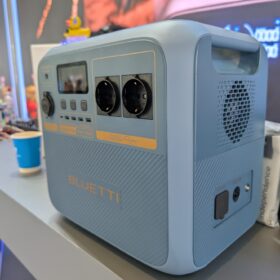
Bluetti debuts world’s first sodium-ion portable power station
The Pioneer Na will be available globally from mid-October, 2025.
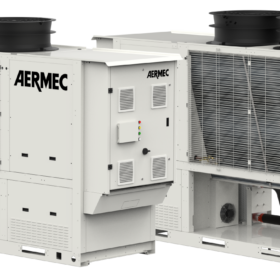
Aermec launches propane heat pumps for commercial, industrial buildings
The new heat pump systems use propane as the refrigerant and can provide hot water at a temperature of up to 75 C, according to the UK-based manufacturer.
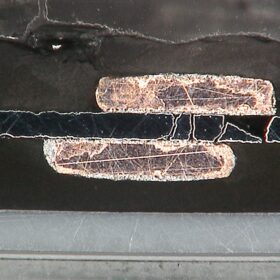
Investigating solar glass quality for recycling in new glass products
A team of Japanese scientists explored how typical PV panel component materials affect the ability to re-use end-of-life PV cover glass. Specifically, they measured contamination by materials, such as aluminum, silicon, carbon, and copper, and their effects in melted PV panel glass cullet.

The Cybersecurity gap in solar and how to close it
In recent months, solar energy has been recognised by the EU Commission as critical grid infrastructure, with a growing awareness around cybersecurity in particular raising questions about Europe’s energy security. In this article, solar cybersecurity specialist Uri Sadot – Managing Director at SolarDefend and Elected Chairman of SolarPower Europe’s Digitalization Group – discusses what PV installers, developers, EPCs and system owners can do to better protect themselves – and the grid.
