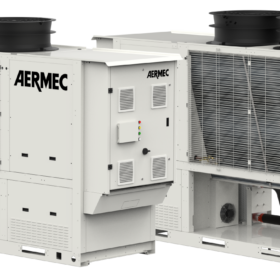
Aermec launches propane heat pumps for commercial, industrial buildings
The new heat pump systems use propane as the refrigerant and can provide hot water at a temperature of up to 75 C, according to the UK-based manufacturer.
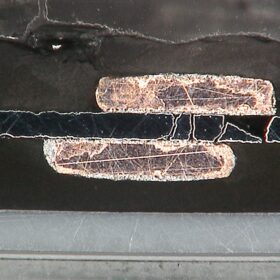
Investigating solar glass quality for recycling in new glass products
A team of Japanese scientists explored how typical PV panel component materials affect the ability to re-use end-of-life PV cover glass. Specifically, they measured contamination by materials, such as aluminum, silicon, carbon, and copper, and their effects in melted PV panel glass cullet.

The Cybersecurity gap in solar and how to close it
In recent months, solar energy has been recognised by the EU Commission as critical grid infrastructure, with a growing awareness around cybersecurity in particular raising questions about Europe’s energy security. In this article, solar cybersecurity specialist Uri Sadot – Managing Director at SolarDefend and Elected Chairman of SolarPower Europe’s Digitalization Group – discusses what PV installers, developers, EPCs and system owners can do to better protect themselves – and the grid.

Digital transformation in off-grid solar: A comprehensive roadmap for practitioners
As off-grid solar systems expand to serve remote and underserved communities worldwide, digitalization has become a crucial need for efficient project development, implementation, and long-term sustainability. A new report from IEA PVPS Task 18 systematically explores digital tools across the entire off-grid energy project value chain, providing much-needed guidance for practitioners looking to optimize their operations.
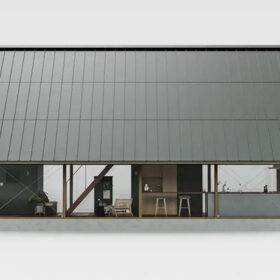
Japanese startup debuts silver-colored BIPV solar module
The new product weighs 13 kg/m2 and is claimed to be particularly suitable for building facades. It features a power ouput of 75 W and a junction box with an IP-68 rating.
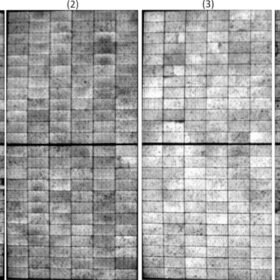
Self-powered electroluminescence for daylight PV system inspection
Scientists from Spain have developed a daylight electroluminescence method that uses other strings to supply current to the inspected string. It was simulated and then tested in two 50 MW PV plants. Comparative assessment against lab-electroluminescence resulted in acceptable diagnostic performance.

KAUST, Franuhofer ISE announce 33.1%-efficient fully texturized perovskite-silicon tandem solar cell
The fully textured tandem cell achieved an open-circuit voltage of 2.01 V and an “extended” outdoor stability in the Red Sea coast, according to the researchers.
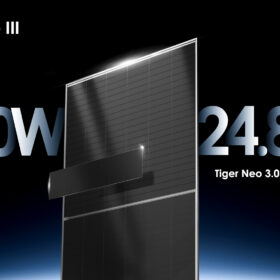
JinkoSolar launches 670 W TOPCon solar module with 24.8% efficiency
The Tiger Neo 3.0 panel features an 85% bifacility factor that translates into 553-570 W of rear side power output, according to the Chinese manufactuer. The new product is claimed to be the “world’s most powerful solar module.”

Fraunhofer ISE defining test procedure for grid-forming inverters
The evaluation process, developed in collaboration with four German transmission system operators, has been carried out on seven European companies whose inverters range from kW to MW in size.
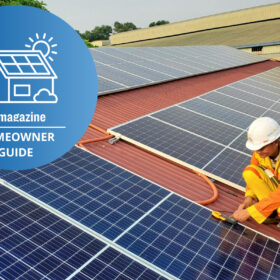
pv magazine Homeowner Guide: Understanding the solar installation process
pv magazine is compiling a guide to home solar installations, aimed at those who are interested in installing but are new to the market and want to make an informed decision. We have spoken to associations, installers and industry specialists in major solar markets across the globe to compile best practice guidance and advice that aims to be applicable to home solar installations anywhere in the world.
