
German energy provider to build 4 MW air-source heat pump
Hamburger Energiewerke is planning to deploy a 4 MW air-source heat pump that will connect to the local heating network. The system can reportedly generate up to 3.2 kWh of heat from 1 kWh of electricity.
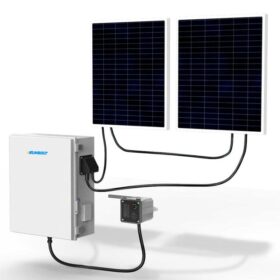
Sunbolt introduces pre-assembled solar ‘backyarder’ kit
The kit includes two 50 W solar panels, a 400 W inverter, and two batteries and powers devices directly with 120V GFCI ports and USB ports.

Combined indoor, outdoor testing shows sensitivity to moisture in TOPCon PV modules
Researchers at the Fraunhofer ISE have combined indoor and outdoor testing to understand and quantify degradation processes in TOPCon solar panels. The novel methodology is intended to provide data for validating and improving stress laboratory protocols.
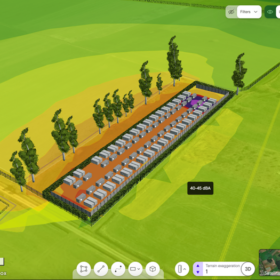
Norwegian startup offers new BESS noise modelling software
Glint Solar has added a new battery energy storage noise-modelling feature to its utility-scale planning software platform. The new tool is meant to support project developers during early-stage planning.
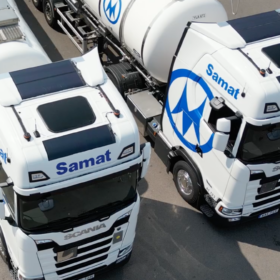
Danish startup offers CIGS-based VIPV solutions for commercial transport
Denmark’s Green Energy Group provides vehicle-integrated PV solutions for road transport customers in Europe and North America. Its PV systems feature copper-indium-gallium-selenide thin film technology in solutions that are designed to extend onboard battery life, cut Co2 emissions, and decrease diesel fuel consumption.

Ionly launches 5 kWh residential battery
Ionly introduces the XYZ 5 kWh residential battery, featuring 90% European-sourced components and advanced reparability, from its base in Valencia, Spain.

Solestial designing space solar array with shorter lead time
The U.S.-based manufacturer of silicon solar PV technologies for space announced a project that requires it to manufacture, assemble and integrate 1 kW of solar cells and modules into a novel solar wing within a four-week time-period.
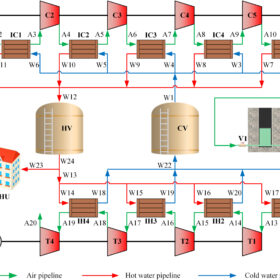
Compressed air energy storage enhanced by gravity
Scientists in China have simulated an advanced adiabatic compressed air energy storage, to which they added an elastic airbag with a heavy load situated above it. The energy, exergy, and economic analysis of the system showed that, due to the constant weight of the heavy load, the airbag’s pressure level remains unaltered during operation.
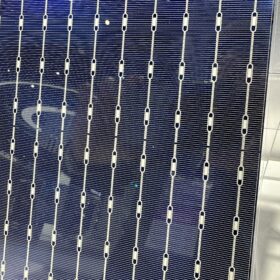
Features driving efficiency complicate solar cell disassembly, recycling
Researchers in Germany have sought to identify the features that may define the “ideal recyclable solar cell” and have found that the recyclability of PV devices is usually in contrast with the efforts of reaching high efficiencies.
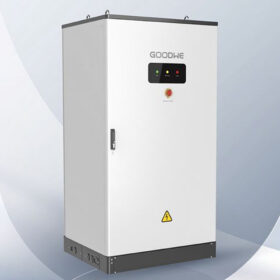
GoodWe launches scalable C&I battery system with over 100 kWh capacity
GoodWe has released its BAT series battery cabinet for small to mid-scale commercial projects, with two capacities at launch at 102.4 kWh and 112.6 kWh, and outdoor use in mind.
