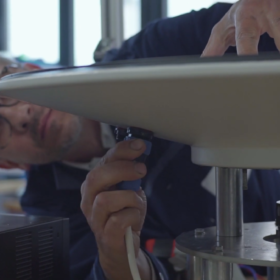
French start-up launches solar engine
The invention converts the energy produced by PV cells directly into mechanical motion without the need for batteries or power electronics. Its developers claim the robustness of the solar motor can drive water pumps and ventilation turbines for more than 20 years without the need for maintenance.
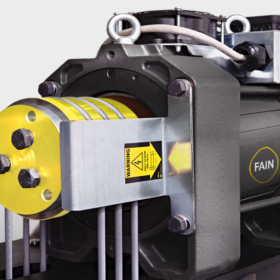
Solar powered elevator unveiled in Spain
The ‘green’ version of the ION Green Solar lift – designed, developed and manufactured in Spain by Fain Ascensores – can cut carbon emissions 86%. That figure rises to 100% with the PV-powered ‘solar’ model.

Softbank injects another $10m into Swedish dye-sensitized solar specialist Exeger
The Japanese multinational lender is making its second investment in the Swedish start-up. The funds will help the company ship its first products next year.
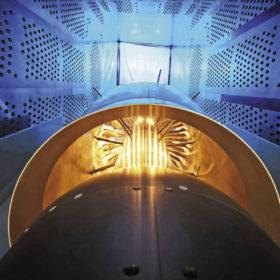
The weekend read: PV in need of a new chapter for wind
In part two of this feature on wind resilience in the PV industry, the lack of structural codes comes into focus. Weather events, and wind above all, are the most common causes of failure for PV plants. In the United States, the first steps have been taken to catch up with other industries and a dedicated chapter for PV is set to be included in the next update of the American Society of Civil Engineers code. In Europe, no such plans are in place.
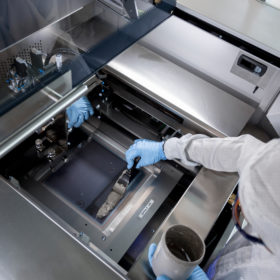
New metallization process cuts silver demand for modules by 30%
Fraunhofer ISE has worked with German technology companies to improve the metallization process in silicon solar cells. The result could drive down module costs quite a bit.
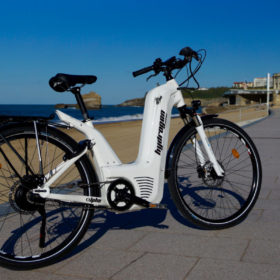
Hydrogen-powered bicycles offer new electromobility concept
With the 200 hydrogen bikes offered to journalists and world leaders at the G7 summit in Biarritz proving popular, manufacturer Pragma Industries has received an order for 1,000 of them from Chilean president Sebastian Pinera. The company’s founder, Pierre Forté, wants the bike to have a societal impact in developing countries.
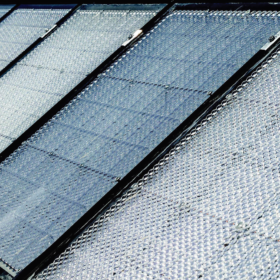
Space age solar solution moves toward production
A consortium of European research institutes has received €10.6 million in EU funding to establish pilot production of a high efficiency module concept developed by Swiss startup Insolight. The module combines high efficiency multijunction cells with a solar concentrator lens and has previously demonstrated 29% efficiency.

German scientists team up for perovskite tandem cells
Two of Germany’s leading research institutes and a CIGS module maker have announced plans to work on the development of perovskite-CIGS tandem cells with a target of producing thin film modules with better than 30% efficiency.
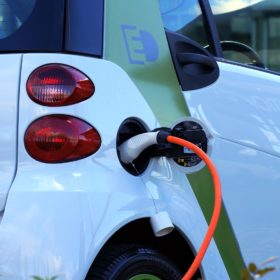
Dutch government treats 21 municipalities to smart EV chargers
Vehicle-to-grid functions could soon become increasingly important. While policymakers discuss the necessary regulations in other nations, the Netherlands government is motoring ahead with the technology.
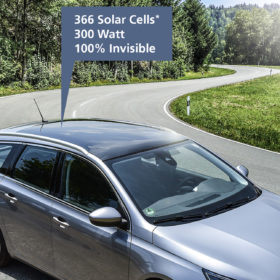
Fraunhofer ISE displays colored solar car roof at auto trade fair
An increasing number of carmakers and research institutes are developing concepts that combine e-mobility and solar. Thus far, range additions from in-car panels of between 10 and 60km are the limit of innovation. The Fraunhofer roof is tinted with a color that hides the cells but lets through most of the light.
