
Dow releases new silicone gel for high voltage PV
The company said that its Dowsil EG-4175 Silicone Gel resists temperatures of up to 180 C in next-generation IGBT modules used in inverters.

Itoki, Hitachi, Tokuyama recycle solar glass for office furniture
The Japanese companies have used their unique technologies to demonstrate how glass from end-of-life PV panels can be used in office furniture components, specifically in an office privacy cabin.

Hydrogen can mitigate curtailment in floating PV-pumped hydro energy storage systems
Scientists at Italy’s University of Cagliari explored the integration of a water electrolyzer with a floating PV-pumped hydro energy storage system. They found that under high curtailment conditions, hydrogen production helped to stabilize system efficiency and lower the levelized cost of electricity when compared to a system without the electrolyzer.

NEDO outlines R&D concepts to expand solar adoption in Japan
Japan’s New Energy and Industrial Technology Development Organization (NEDO) has launched a 2025–29 project with 24 themes to advance the development of next-generation solar cells, site-specific systems, grid stability, and recycling in line with its carbon neutrality goal.
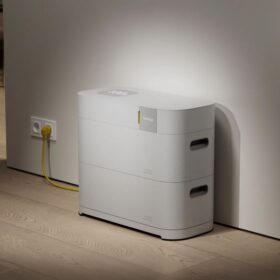
France’s Sunology introduces modular residential battery
The system plugs into either a standard power outlet or the main electrical panel and automatically captures surplus solar energy – whether generated by rooftop panels or a portable plug‑and‑play kit. Up to four modules, each with a capacity of 2,200 Wh and 500 W of output, can be combined, and the system comes with a 7,500-cycle warranty for long-term reliability.
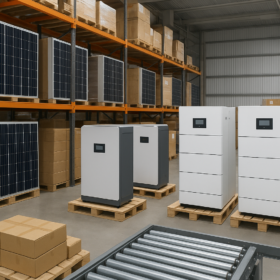
S&P Global unveils 2025 Tier 1 module, inverter, battery supplier list
S&P Global’s first 2025 Tier 1 Cleantech Companies list ranks 63 solar, wind, inverter, and battery suppliers by technology, financial health, and sustainability to guide investors and developers.
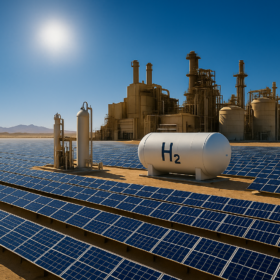
Solar-to-X enables industrial defossilization turning power to molecules or materials
The industry sector is most challenging to defossilize, due to high energy and feedstock demand, large and continuously running production plants, hard-to-abate process emissions, and infrastructural challenges. In public discourse, hydrogen is discussed prominently for industry, but its role may be overestimated. Solar PV as the least cost source of electricity may bring the electrification of industry to the next level.

How can IEC standards help renewables adapt to climate change?
Renewable and clean energy is one of the most effective solutions to reduce carbon emissions, but they are also strongly affected by climate change. IEC Standards and conformity assessment can help them to be more resilient.

Lack of information, financing among barriers to UK’s heat pump adoption
A questionnaire and focus group study of households in the UK city of Bristol found residents have a lack of access to technical and ‘common sense’ information on the transition to heat pumps. Able-to-pay residents became more willing to invest as they learned about the technology.
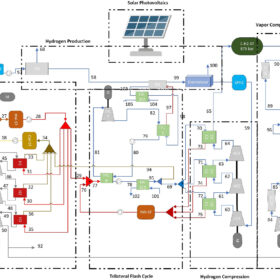
The Hydrogen Stream: Qatari team outlines solar hybrid station design
Qatari researchers tell pv magazine that they have designed the world’s first hybrid station concept combining PV, liquid air, hydrogen storage, and batteries for EV charging and hydrogen refueling.
