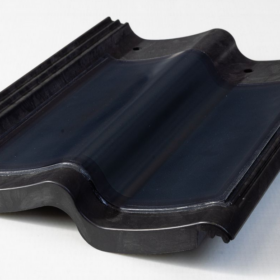
TNO unveils 12.4%-efficient perovksite solar tile
The Dutch research institute has presented what it describes as the world’s first perovskite-based roof tile, achieving up to 13.8% efficiency on standalone modules and 12.4% when installed on a curved surface. The flexible modules were produced using TNO’s experimental roll-to-roll platform,

France introduces cybersecurity, sustainability requirements in solar tenders
The French authorities announced they will assign 288 MW of PV in the 2026 tender for projects ranging from 100 kW to 500 kW in size and 925 MW in the procurement exercise for PV systems exceeding 500 kW. The tenders will include cybersecurity requirements as well as provisions to support European manufacturing.

Chinese researchers report 700 Wh/kg lithium-metal battery
A team from Nankai University and the Shanghai Institute of Space Power-Sources has developed a hydrofluorocarbon electrolyte enabling lithium-metal cells to operate at temperatures as low as -70 C.
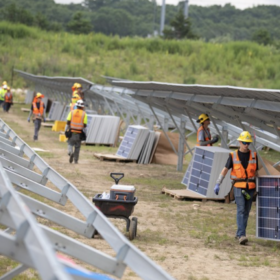
US solar faces 53,000-worker gap ahead of 2026 deadline
The US solar industry may fall short of workforce needs as developers race to meet July 4, 2026 construction deadlines tied to federal tax credits.
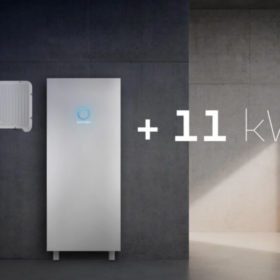
Sonnen cuts prices for large residential battery products
German company Sonnen is set to offer its customers a 22 kWh battery energy storage system (BESS) for the price of an 11 kWh product. The offer will be valid until the end of June 2026.

Global solar additions reached record 511 GW in 2025, says IRENA
Latest figures from the International Renewable Energy Agency find solar contributed the majority of a record 692 GW of renewables capacity added worldwide last year.
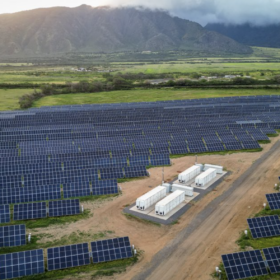
Pexapark logs more than 1 GWh of European storage PPAs in March
War in the Middle East is putting pressure on energy markets and boosting the value of solar and storage power purchase agreements (PPAs), with Europe seeing a surge in activity in March, according to Swiss consultancy Pexapark.

South Africa’s Eskom extends small-scale solar registration fee waiver
The South African Photovoltaic Industry Association has welcomed the utility’s decision to extend its registration fee waiver for solar systems until the end of September, as it calls for the country’s municipal distributors to streamline their own processes for small-scale embedded generation systems.
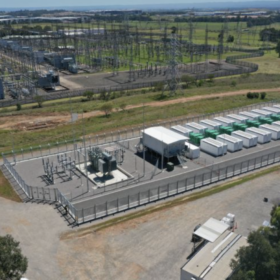
Australia’s Transgrid shortlists 2 GW of batteries for NSW grid
Australian transmission company Transgrid has shortlisted nine battery energy storage projects with a combined capacity of 2 GW to provide essential system strength services to the electricity grid in New South Wales from later this year.
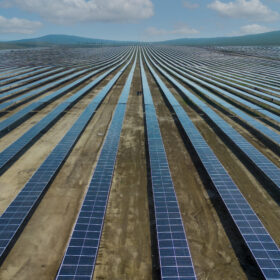
TotalEnergies, Masdar to merge renewables activities in nine Asian countries
The two major developers plan to establish a joint venture company with equal ownership that will be their sole vehicle for building, owning and operating both existing and future solar, storage and wind projects across nine Asian countries.
