
Volkswagen launches first large-scale battery storage project in Germany
Volkswagen has connected its first 20 MW/40 MWh stationary storage system in Salzgitter, Germany, marking the start of its plan to integrate battery production, storage, and energy trading within a single corporate structure.
Netherlands hits record electricity production and exports in 2025
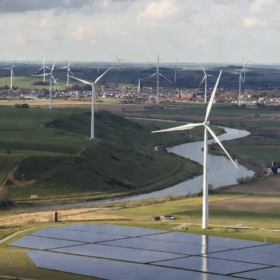
The Netherlands set a record in 2025, generating 132 billion kWh of electricity, up 10% from 2024, with renewables supplying 49% of output and exports rising 25% to 30 billion kWh.
Gas-fired electricity two to three times costlier than renewable backups
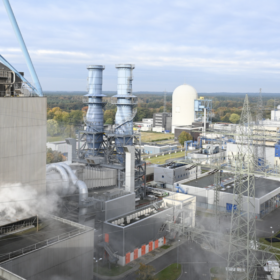
A study by Forum Ökologisch‑Soziale Marktwirtschaft (FÖS), commissioned by Green Planet Energy, says electricity from gas plants could reach €0.67 ($0.78)/kWh, largely due to externalized costs, while renewable-based backups remain far cheaper.

Longi launches fire-resistant solar module for rooftop PV
The Chinese manufacturer has launched a fire-resistant version of its Hi-MO X10 module for distributed PV applications, featuring back-contact technology and up to 24.8% efficiency. The company says the module adds enhanced fire-safety design to address rooftop PV risks such as hot spots and DC arcing.
Financial sponsors increasingly back European battery storage platforms
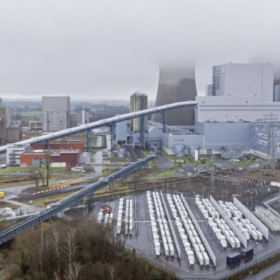
Battery energy storage systems (BESS) are now an investable asset class, and infrastructure funds are acquiring developer platforms and financing large portfolios to accelerate deployment across Europe. Carlos Candil and Carlo de Haas of Lincoln International break down the trend.
Involtics unveils GTSI single-phase hybrid inverter for homes
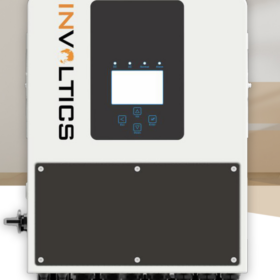
India-based Involtics has launched its GTSI series of single-phase hybrid inverters in 3 kW, 3.6 kW, 5 kW and 6 kW sizes for residential solar systems.
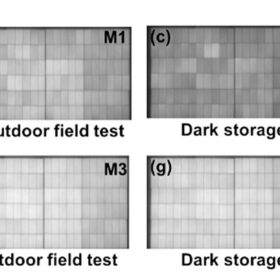
TOPCon solar modules show self-healing under UV stress
Researchers from Nanchang University and Trina Solar found that TOPCon solar modules exhibit metastable “degradation–recovery” under UV exposure, with light soaking fully restoring performance and no impact on real-world energy yield. Their findings highlight the need to refine UV testing standards to better reflect field performance and guide PV reliability assessments.
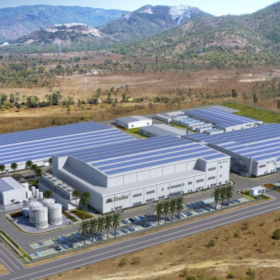
Australia fast-tracks solar ingot, wafer plant with ‘major project’ status
Plans to build Australia’s first large-scale silicon ingot and wafer manufacturing facility in Queensland have been put on the fast track by the federal government in a nod to the project’s potential to play a key role in supporting a domestic solar supply chain.
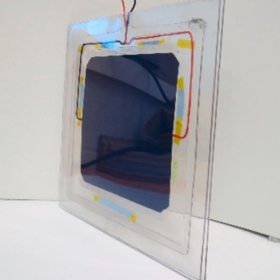
First attempt to build solar modules using polycarbonate encapsulant
Canadian researchers proposed a laminate-free solar module using polycarbonate instead of EVA and glass. The new encapsulation technique reportedly enables easy disassembly, reuse of solar cells, and open-source local manufacturing.
Chemical incidents halt Silfab Solar factory as US probe begins
South Carolina regulators and the US Environmental Protection Agency (EPA) are investigating Silfab Solar’s Fort Mill manufacturing plant after releases of potassium hydroxide and hydrofluoric acid within the same week.
