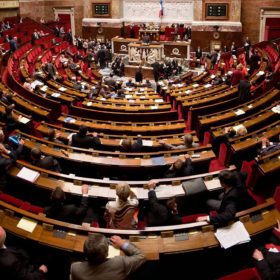
France at risk of losing 2 GW of solar capacity due to retroactive FIT cuts
The retroactive FIT cut proposed by the Ministry for the Ecological Transition has now reached the French parliament. Around 300 companies of the PV sector have asked the MPs to reject a measure that could destroy investor confidence for years.
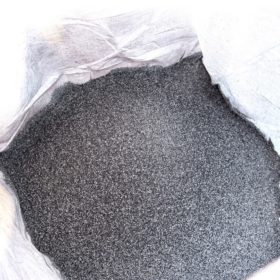
New method to recover silicon from end-of-life modules
Compared to other techniques based on chemical reactors and organic solvents, the proposed method is said to be able to maintain a “good mechanical yield” in the recovered solar cells. According to its creators, this technique allows the reuse of silicon from the recycled panels in the production of new solar cells.
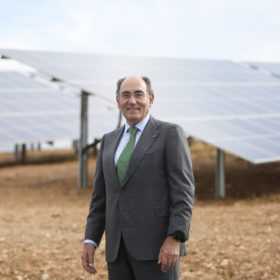
Iberdrola to invest €7bn in renewables by 2025
The Spanish energy company also wants to invest €4.5 billion to expand grid capabilities in Spain. The new committment is part of the company strategy for 2020-2025.

Open-source method to build flexible floating PV systems
A U.S.-Finnish research team has developed an after-market method to adapt commercially available flexible thin-film solar panels for applications in floating PV projects. The special panel design can be applied to three types of floating materials, including neoprene, mincell, and polyethylene.
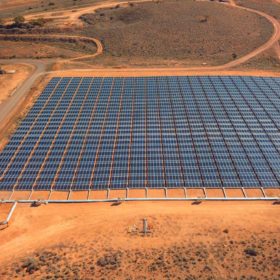
South Australia pushes green hydrogen export project
The South Australian government has followed up the recent launch of its Hydrogen Export Prospectus with a promise to provide US$27 million in funding for export infrastructure upgrades to a new green hydrogen and green ammonia project.
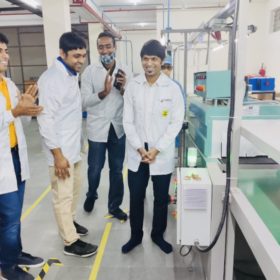
Indian lithium battery factory begins production
Inverted Energy has started manufacturing at its 100 MWh lithium battery assembly facility at Okhla, New Delhi. The plant will initially produce batteries for energy storage systems in the residential and commercial sectors, and for electric-mobility applications. The plan is to eventually cater to critical applications in the telecom and health care sectors.
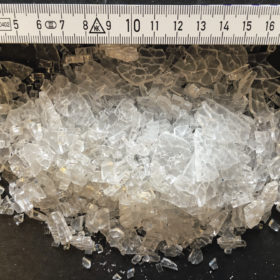
The weekend read: Recycling needs material quotas
The EU Directive on Waste Electrical and Electronic Equipment remains the primary legislation setting the requirements for the recycling of photovoltaic panels in Europe. pv magazine examines whether the policy is in need of a drastic update, and what it can be done to improve the sustainability of the PV sector through recycling.

What can President-Elect Biden get done on energy in the first 100 days?
The former vice president has made a long list of promises and commitments to the environment and future of clean energy if elected. Which of these promises could we see immediate action on and which are years down the line?
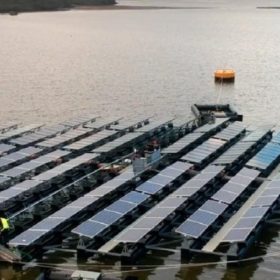
‘Floating PV systems are storm-resistant’
Netherlands-based Floating Solar says its pilot floating PV project at the port of Rotterdam has been able to withstand four severe storms.

Dual-ion battery prototype promises safe and cost-competive energy storage
Scientists have fabricated a working battery using a new type of dual-ion chemistry. The design avoids many of the rare or expensive materials found in today’s lithium-ion batteries, and also comes with an inherently lower risk of fire. The battery showed promising performance, and its creators say they have identified several areas where performance could potentially be improved.
