Chinese module manufacturer unveils bolt-on plan to raise capacity
A Solargiga subsidiary has handed over $2.5 million to almost double its stake in a 1.2 GW capacity module manufacturing business set up in June by investors which include the local government.
Crucial Chinese solar portfolio sale held up a third time
Investors in debt-saddled PV developer GCL New Energy will have to wait at least another month before a vote on a proposed project sale to a Chinese state-owned entity which would bring benefits of $526 million.
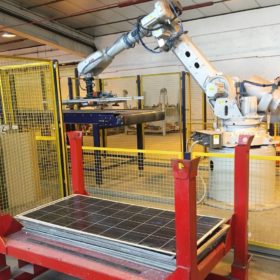
A mechanical technique for PV module recycling
An Italian consortium has developed a panel recycling process it claims can recover up to 99% of raw materials. The developers claim their technique takes only 40 seconds to fully recycle a standard panel, depending on size and recycling site conditions.

Covid-19 pandemic’s impact on Europe’s PPA market – Part III
In a recent conversation with pv magazine, Virginia Canazza, the CEO of Italian consultancy REF-E, outlined future scenarios for PV in the Italian PPA market. Projects will be delayed, as prices for gas and CO2 certificates are already low. Unsubsidized PV projects via PPAs might still be bankable, but it is unlikely that investors will risk dealing with small margins. Current capture prices do not justify investments and new entrants may wait for market stability.
Intersolar South America postponed to November
The annual event, originally scheduled to take place on Aug. 25-27, has now been postponed to Nov. 16-18, 2020. The organizers claim that existing contracts will remain valid for the new dates, and the venue and all contractual conditions will remain unchanged.
Covid-19 to wreck economics of new solar, wind projects
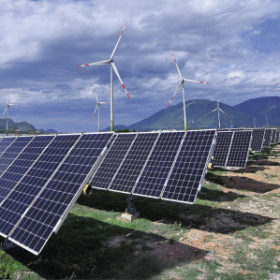
While the impact of the Covid-19 pandemic on the renewable energy market is still not clear, Norwegian consultancy Rystad Energy says that new solar and wind projects will grind to a halt in 2020, creating a ripple effect in the years to come, as currencies throughout the world continue to slide against the US dollar.
Germany installed 700 MW of PV in first two months of 2020
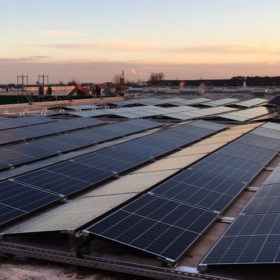
The country added around 700 MW of new solar in the January-February period. Cumulative capacity hit 49.75 GW, which means that about 2.25 GW remains before the feed-in tariff cap is reached.

Covid-19 daily bulletin
pv magazine rounds up the latest Covid-19-related stories likely to affect the world of solar and energy storage.

Portugal postpones 700 MW solar auction again
State secretary for energy, João Galamba, said the planned procurement round will have to wait for markets to be less turbulent. The auction was due to be held in April. Meanwhile, a dedicated portal for future rounds has been created.
A good year for solar: Agrivoltaics in vineyards
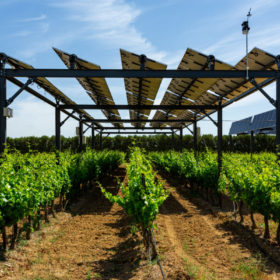
French agricultural PV specialist Sun’Agri has revealed the results of tests run on a solar plant integrated with viticulture. During heat waves, the company said, vines shaded by solar panels continued to grow and needed less water.
