
A window of opportunity for new transparent electrode
Scientists in Australia have developed a new transparent conductive oxide which could be used in solar cells, smart windows and other applications. The material is indium free and recyclable, according to the researchers.

Bangladeshi solar installers have $1.5bn plan to light up health centers
The companies driving the solar home system boom in the nation, in part with the help of public money, wants Dhaka to authorize the addition of PV in 18,000 public health facilities.
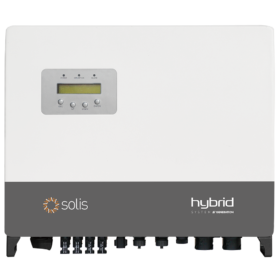
New residential battery inverter from Ginlong
The Chinese manufacturer has unveiled a hybrid product with a power range of 6.5-13 kW. The device has a maximum efficiency of 98.4%, according to Ginlong, and battery charging/discharging efficiency of 97.5%.

Plans unveiled for 1 GW solar-storage-hydrogen facility in China
Chinese developer Panda Green says it has negotiated exclusive rights to develop a $1.41 billion project in Xinjiang which will feature PV and photothermal generation, hydrogen production and energy storage.

Romania allocates $59 million for solar rebates
The government will grant rebates to residential PV projects and may cover up to 90% of the costs of purchasing and deploying a rooftop array.
A look at China’s PV poverty alleviation policy
A global research team says that China’s PV poverty alleviation scheme has ramped up disposable income levels in the country’s poorest counties. The Chinese government aims to install more than 10 GW of PV, especially in the most impoverished parts of eastern China, to help 2 million people by the end of this year.
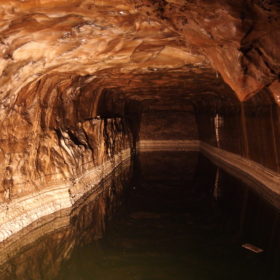
Hydrogen storage in salt caverns
Researchers in Germany have identified salt caverns as a feasible and flexible solution for hydrogen storage. They also revealed that Europe has the potential to inject hydrogen in bedded salt deposits and salt domes, with a total storage capacity of 84.8 PWh.
Threat to US net metering
The Solar Energy Industries Association has urged the U.S. Federal Energy Regulatory Commission to dismiss a petition to scrap net metering, solely on legal grounds. A filing by Solar United Neighbors, Vote Solar, and other groups makes a legal case and also rebuts the petition’s claims about net metering.
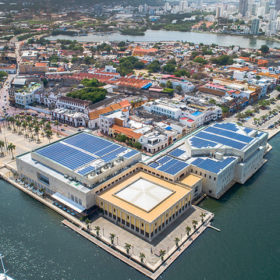
Colombia streamlines tax incentives for renewables
The procedures to secure income tax deductions, value-added tax exclusions, customs duty exemptions, and accelerated depreciation rates for renewable projects has been shortened to 45 days.
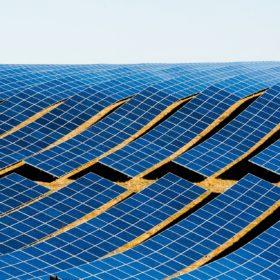
Cash-strapped developer SFCE dependent on buyer goodwill for $66m project sell-off
SFCE is scrambling to keep creditors at bay and has been unable to guarantee more than half the windfall it expects from selling off 140 MW of Chinese project capacity will actually be paid.
