
Hydrogen production coupled to solar and storage to debut in Spain
Spanish gas provider Enagás has signed an agreement with Ampere Energy for the joint development of several hydrogen production R&D projects with PV and storage. The first installation will be deployed at a gas plant in Cartagena, in the southern Spanish region of Murcia.
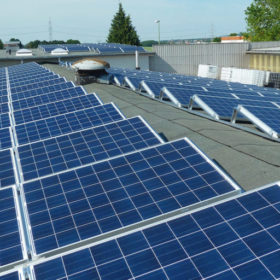
German grid agency reports 375 MW of new solar in January but revises down cumulative figure 360 MW
The cumulative capacity of subsidized PV systems in Germany reached 49,425 MW at the end of January. Under the nation’s triggered FIT reduction regime the tariff – and income from electricity sold directly to off-takers – will fall 1.4% this month.
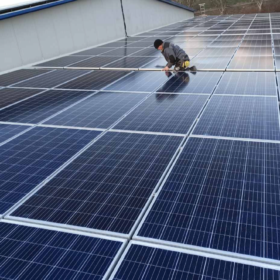
Moldova introduces feed-in tariff for small scale solar
The 15-year payments will come into force when new renewables FITs are published in the country’s official journal within the next few days. The government wants to allocate 15 MW of solar facilities ranging in size from 10 kW to 1 MW through the scheme, with larger projects having to compete in auctions.

New hold-up in proposed $536m windfall for GCL New Energy
The proposed acquisition by state-owned China Huaneng of 294 MW of GCL project capacity in China has been delayed a second time.

Italian firm finalizes acquisition of ABB inverter business
Italian inverter maker Fimer has completed its purchase of ABB’s manufacturing and R&D sites in Finland, India and Italy, along with 800 employees in 26 countries. Fimer said the combined business will ship more than 7 GW of inverters this year.
Ukraine unveils plan for retroactive FIT cuts
The government has suggested PV plant operators accept a ‘voluntary’ 12.5% reduction in feed-in tariffs. If developers refuse, policymakers could impose 15-25% cuts, albeit with payment contracts extended five years. The drastic measures are being considered to reduce the cost of the state-owned Guaranteed Buyer body, which purchases all electricity generated in Ukraine from renewable energy facilities.

The weekend read: Building Europe’s battery business
In just three years, Northvolt has progressed from a startup to become Europe’s response to the Asian dominance of global battery manufacturing. pv magazine investigates why Northvolt is setting up units in Sweden, Germany, and Poland, what the firm’s goals are, and how it is attempting to achieve them.
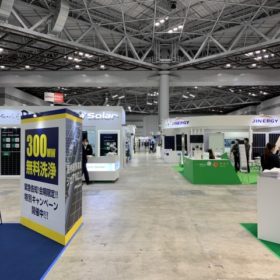
Coronavirus concerns overshadow PV Expo in Tokyo
The annual trade show was not particularly well-attended this year, but market sentiment is still positive in Japan – nobody believes that installations will drop due to the coronavirus outbreak. And the country’s upstream industry – modules, batteries, and hydrogen tech – clearly remains compelling, given the number of brave souls who actually did make the trip out to Tokyo Big Sight this year.
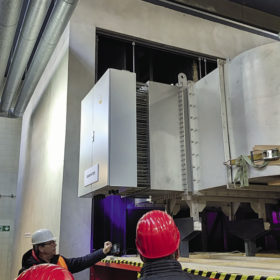
Storage Highlights 2020 – Megawatt Winner: Lumenion
With the new decade, pv magazine brings forth yet another energy storage highlights. Approximately two weeks of work went into sifting through this year’s 22 highlights submissions, conducting research, and preparing them for the jury. Once again, this year’s work was crowned by the moderation of the jury meeting, in which six leading industry experts discussed the technologies and solutions. Differing from previous years, the jurors have selected the top five “Gigawatt” winners, followed by five “Megawatt” winners, and a series of “Finalists” which we are publishing here, leading up to Energy Storage Europe.

Tunisia introduces new rules for self-consumption, net metering
The new regulatory framework includes the option to sell electricity to large energy consumers through bilateral PPAs.
