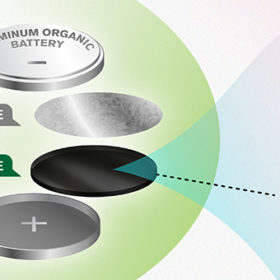
New aluminum batteries for renewables storage
The devices, developed by a European research team, are said to have twice the energy density of conventional aluminum devices. The scientists used a cathode made of anthraquinone, instead of one based on graphene, increasing energy density.

Solar-plus-storage to provide all the daytime electric needs of nation state
A 6 MW solar plant and 5 MW/2.5 MWh storage system are set to increase the share of renewable electricity on the Pacific island of Nauru from 3% to 47%. The $27 million project is being supported by the Asian Development Bank (ADB).

The weekend read: Establishing a cost-effective BIPV sector in Europe
Why hasn’t more building-integrated PV (BIPV) been installed throughout the world? The simplest answer is that a PV module does not architecture make. The nature of the building process – its methods and logic – are key factors affecting technological transfer, as seen in the steel and concrete industries, which have been the basis of modern architecture for the past century. In many cases, standardization would go against the case-by-case approach to design and the interdisciplinary nature of the field. Solar architecture therefore involves a synergic concept of constructive and functional correctness, while always engaging an “aesthetic intentionality.” So how can the market segment continue to drive down costs?
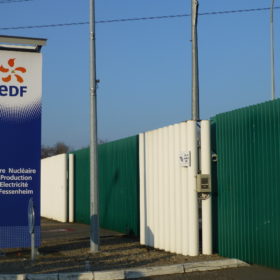
French PV tender at Fessenheim nuclear plant draws €0.065 average price
The first 60 MW slice of the 300 MW procurement exercise attracted 12 winning bids. The French government intends to allocate 200 MW of generation capacity for ground-mounted PV plants no larger than 30 MW each plus 100 MW of rooftop systems.

Voltalia acquires French solar installer Helexia
The French renewables group has taken over a specialist in C&I rooftop solar and launched a share purchase offer to enable its employees to benefit from the growth of the company.

Bangladesh government pledges rooftop PV on all its buildings
The authorities expect to add 300 MW of rooftop solar in the next four years thanks to net metering regulations and hope the nation’s extensive clothing and textile industry will be encouraged to adopt PV.

India prepares to embrace agrivoltaics
Take-up has been slow considering the nation’s mammoth agricultural industry but, as a packed session on the topic at the recent Renewable Energy India show illustrated, attitudes may be changing in a nation which is already installing solar greenhouses.

Solaredge launches smart modules with integrated power optimizer in Europe
For its new offer, the Israeli inverter maker is using modules provided by a Tier 1 manufacturer. The products have a 12-year warranty and 25-year performance guarantee.

Turkey to introduce provisions for storage
The Turkish Energy Market Regulatory Authority has published draft guidelines for the integration of storage in the energy system. The new provisions are expected to come into force at the beginning of next year.
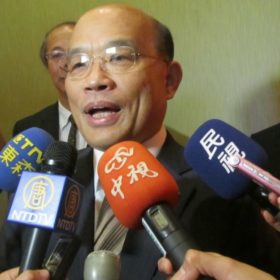
Taiwan wants 3.7 GW of new solar by 2021
Prime minister Su Tseng-chang announced the ambition and said the new solar plan for 2019-20 will bring investment and business opportunities of around US$7.5 billion.
