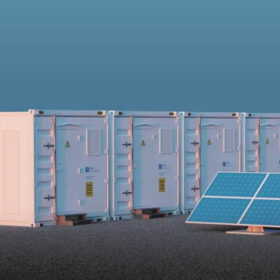
US Virgin Islands to cover 30% of power needs with solar-plus-battery systems
Honeywell Process Solutions has announced plans to install about 124 MWh of its battery energy storage systems alongside 140 MW of solar at six sites to help the US Virgin Islands cover 30% of its electricity needs.
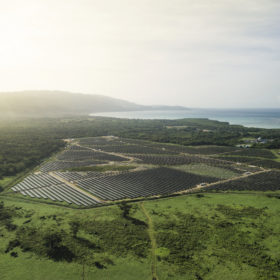
Jamaican utility launches solar-plus-storage, wind project tender
Jamaica Public Service Company Limited (JPS) is inviting applications for engineering, procurement and construction services of a 115 MW utility-scale solar plant, 171.5 MWh battery energy storage system and 12 MW wind plant at unspecified locations at unspecified locations in the Caribbean country.
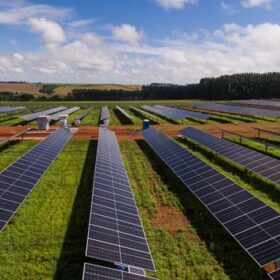
Brazil set to install 9.3 GW of solar in 2024, says Absolar
New figures from Absolar, a Brazilian PV trade group, show that the country could install 9.3 GW of solar in 2024, bringing it to 45.5 GW of installed PV capacity by the end of next year.
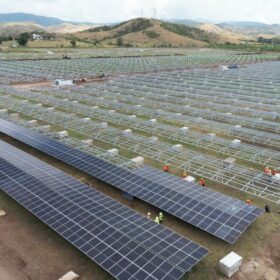
US developer switches on largest solar-plus-storage project in Puerto Rico
Depcom Power has commissioned a 90 MW solar plant linked to 51.5 MW of battery storage in Salinas, on the southern coast of Puerto Rico.
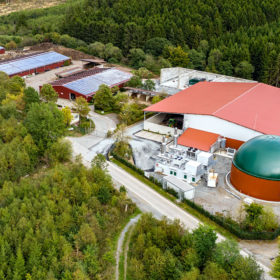
Hybridizing anaerobic digestion with photovoltaic-thermal energy
Scientists in Spain have proposed to combine anaerobic digestion plants with photovoltaic-thermal panels and have found that this combination may achieve an LCOE of $0.045/kWh across several locations in Europe and North America.
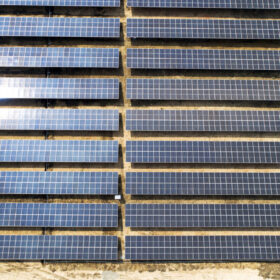
Brazil’s solar capacity hits 34.9 GW, surpassing wind in national energy mix
Solar, at 34.9 GW of installed capacity, now accounts for 15.8% of Brazil’s energy mix, ranking second after hydroelectric plants at 49%, but ahead of wind power at 12.2%, according to the Brazilian Association of Photovoltaic Solar Energy (Absolar).
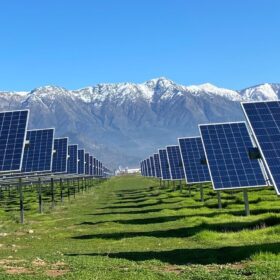
Chile covers 20.7% of October electricity demand with solar
Chile covered 20.7% of its electricity demand in October with solar power. The nation has 9.18 GW of cumulative installed PV capacity, accounting for 26% of its total power generation capacity.

The Hydrogen Stream: Brazil reveals $3.6 billion hydrogen production plan
Brazil has announced a $3.6 billion hydrogen production plan, Adnoc has launched a green hydrogen refueling-station pilot in the United Arab Emirates, and the European Union has moved forward on the establishment of EU-wide hydrogen rules.
Além da geração solar distribuída: soluções integradas de energia para o cliente final
Neste webinar da pv magazine Brasil, vamos falar sobre novas tecnologias e modelos de negócios, a abertura do mercado livre e serviços de pós-venda, com dicas e insights para os integradores sobre como ampliar a oferta de serviços e soluções para os clientes.
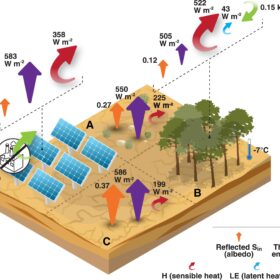
New research claims PV outperforms afforestation in combating climate change
Scientists from Israel have calculated how long it would take for PV plants and afforestation projects to offset their warming impacts caused by the darkening of land. The results showed that in drylands, PV fields could be over 50 times more efficient than afforestation.
