
Czechia planning retroactive cuts to feed-in tariffs for PV systems
The Czech government is trying to retroactively reduce feed-in tariffs (FITs) granted for PV projects between 2006 and 2013. The local solar sector has criticized the move, claiming that it could incite panic among investors.
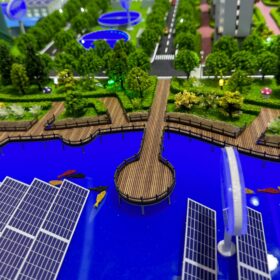
Assessing floating PV costs across Europe
Researchers have analyzed the viability of floating PV in terms of net present value, internal rate of return, and LCOE. They included 25 European countries in their work, including Germany, the United Kingdom, Spain, and Italy.
KGAL impact fund acquires first solar project in Czechia
KGAL’s latest green energy fund is acquiring its first solar asset in Czechia. The investment and asset manager says the 50 MW plant is due to connect to the grid in 2025.
The Hydrogen Stream: Clean ammonia supplies set to soar, says BNEF
BloombergNEF says clean ammonia supplies could expand by 30 times to 32 million tons by 2030, while MAX Power Mining has roughly tripled the size of its Rider Natural Hydrogen Project in western Canada.

Czechia installs 484 MW of solar in H1
Czechia’s Solární Asociace says that the country installed 484 MW of solar in the first half of this year, nearly matching the 487 MW added in the same first six months of 2023. It notes that the residential PV market has cooled, but the corporate segment has grown.
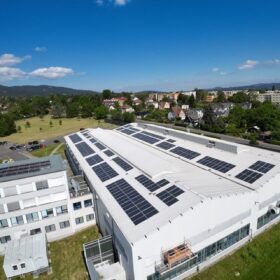
Woodburn Capital, Magna Exteriors sign 15-year solar PPA in Czechia
Magna Exteriors and Woodburn Capital Partners have signed a 15-year solar power purchase agreement (PPA) in Czechia. The agreement covers energy generated on-site at a 2.4 MW solar plant located at Magna Exteriors’ site in the northwestern part of the country.
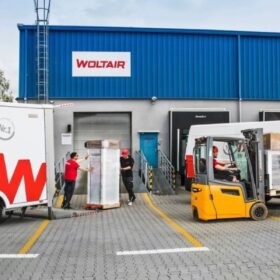
Woltair expands online heat pump, solar PV platform
After finding growth in its home market and Poland, Czech Republic-based Woltair raised venture capital to expand its heat pump and solar PV software platform, used by both installers and homeowners, into Germany and Italy.
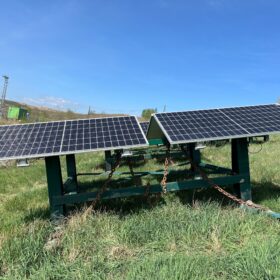
Czech utility unveils tech to secure solar panels in unstable subsoil
CEZ Group has developed a new solution for securing solar photovoltaics in areas of unstable subsoil from the central section of conveyor belts previously used in strip coal mines. Several pilots of the steel structure have already been deployed on a reclaimed area near the Bílina Mine in northern Czechia.

Off-grid solar-wind power plant design for green hydrogen generation
Scientists in Czechia have conducted a techno-economic analysis of a green hydrogen production system powered exclusively by photovoltaic and wind energy. The system uses surplus energy for water treatment and, according to its creator, can achieve a levelized cost of hydrogen of $3.12/kg.
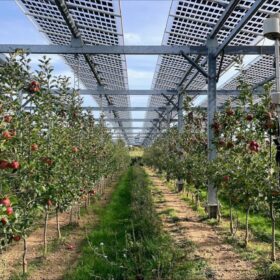
Czechia introduces first rules for agrivoltaics
Under Czechia’s new rules for agrivoltaics, farmers and developers will not need approval to change land designations and zoning plans for agricultural areas devoted to PV generation. The provisions currently only allow agrivoltaics to be deployed in orchards and vineyards.
