
Spain’s Balearic Islands assign 362 MW of solar in auction
The Spanish government has selected 55 solar installations in the procurement exercise. About 256 MW of the projects it awarded will be built on Mallorca, while Menorca, Ibiza and Formentera will host 61 MW, 6 MW and 2 MW of new capacity, respectively.

Germany registers 377 MW of new PV in October
Newly installed PV capacity hit 3.33 GW in the first 10 months of this year. Feed-in tariffs will drop in December by another 1% and the 52 GW subsidy cap looms, but for the first time, FITs for all project types are now below the €0.10/kWh mark.
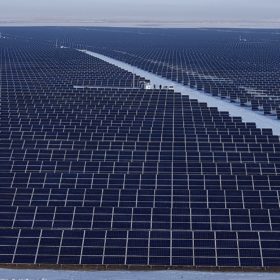
Italy’s Eni wins Kazakhstan’s 50 MW solar auction with $0.032/kWh bid
The 50 MW project is a joint initiative of the country’s Ministry of Energy and the United Nations Development Program.
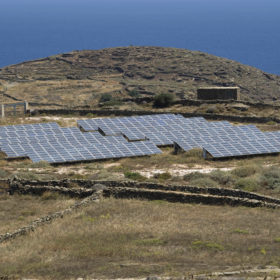
Greece aims to install 5 GW of PV by 2030
Greece has published a document that lays a path for national energy and climate policy over the next decade, while outlining plans to facilitate significant PV development through 2030.

Ireland launches auction scheme for renewables
Solar is included among the competing sources but with a maximum quota of only 10%. Around 13,500 GWh will be allocated across five rounds under the new scheme, which is still subject to EU state aid approval. Community-led projects will be allowed to participate from the second round, with a bonus of €2/MWh.
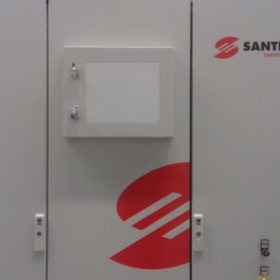
Enertronica Santerno reports higher inverter shipments in 2019
In a short conversation with pv magazine, the company’s CEO, Vito Nardi, said shipments for this year are expected to reach 866 MW. The inverter manufacturer also expects a rate of production of 2 GW per year by the end of next year.
Ofgem’s plan for network charges triggers renewables sector backlash
Ofgem passed its long-awaited, controversial plan for network charges last week, despite earlier warnings against the move. The UK electricity market regulator’s Targeted Charging Review has provoked a backlash in the renewables sector, as many believe that the plan will damage the economics of distributed energy resources and unsubsidized onshore wind and solar development.
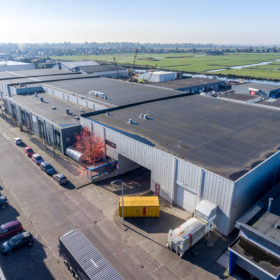
Energyra works on restarting PV factory in the Netherlands
The insolvent photovoltaic manufacturer is still talking to potential investment partners, but it claims that it could resume PV module production at its shuttered factory in the Dutch municipality of Zaanstad on short notice.
Are rare earths used in solar panels?
A new report by the French Environment and Energy Management Agency reveals some surprises about the use of rare earth minerals in the renewable energy sector.
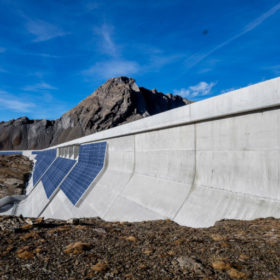
A vertical PV plant on a dam in the Alps
Baden-based utility Axpo is building a 2 MW facility at the Muttsee reservoir in the canton of Glarus, Switzerland. It expects the plant to maintain high levels of power generation, especially throughout the winter months.
