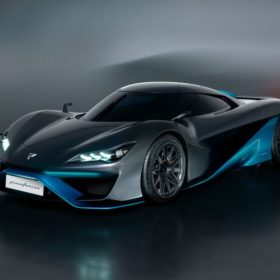
The Hydrogen Stream: Viritech, Pininfarina unveil world’s first ‘hydrogen hypercar’
Viritech and Pininfarina have announced plans to put a hydrogen-fueled car into limited production in 2023, while H2 Clipper said it aims to finish a prototype of its hydrogen-powered airship by 2025.
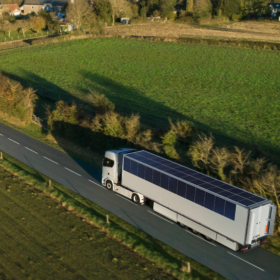
Vehicle integrated solar to power refrigerated trailers
German VIPV specialist Sono Motors has signed an agreement with French refrigerated vehicle supplier Chereau to develop refrigerated vehicles powered by an integrated solar array. The two companies will build and test a prototype vehicle, and begin to evaluate mass production. Sono estimates that the concept could save around 3,400 liters of fuel and avoid 9 tonnes of CO2 emissions per vehicle, per year.
The potential of renewables and EV charger integration for residential homes: what difference can it make?
EV ownership is driving solar take-up, and solar is driving EV take-up as well. These virtuous cycles just need the right hardware, and smart software to flourish. In this pv magazine Webinar, we’ll look at Sungrow’s new EV charger, the latest addition for its residential portfolio in Europe as the EV market continues to grow.

Construction begins on 650 MW solar park in Germany
The facility is set to become the largest solar plant in Germany and Europe. The project is expected to support agricultural activities and might also be used for green hydrogen generation.
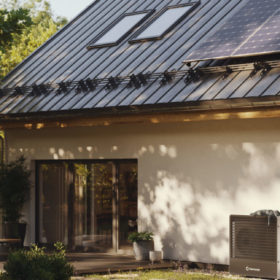
German heating solutions provider offers heat pump leasing
German homeowners are requested to pay a fixed monthly price of €159 ($170.6) without the need for a high initial investment. The offer is valid nationwide
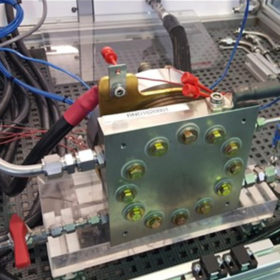
Novel stack design for PEM electrolyzers promises lower production costs
Researchers in Germany have built bipolar plates for electrolyzer stacks without using titanium, which they claim may further reduce green hydrogen costs. They used coated stainless steel and niobium for the stack coating and found these new materials do not affect electrolyzer performance.
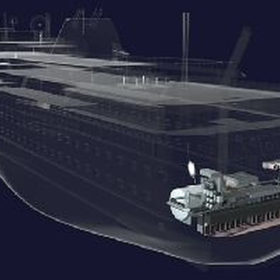
The Hydrogen Stream: Hydrogen system for marine vessels
DNV approved HAV Group’s hydrogen-based energy system for cruise vessels, Rolls-Royce agreed to sell hydrogen-powered mtu fuel cell solutions in Germany, and the Mauritanian government signed a deal with CWP to develop a 30 GW green hydrogen project.
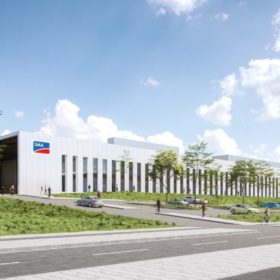
SMA to raise inverter capacity to 40 GW
SMA Solar Technology has announced plans to build a new manufacturing facility at its headquarters in Niestetal, Germany.

Downsizing gallium nitride inverters
A German consortium led by Fraunhofer IEE aims to bring gallium nitride inverters closer to commercial viability. The primary goal of the research project is the optimization and miniaturization of inverters, including passive components such as cooling systems, casings, and mounting structures.
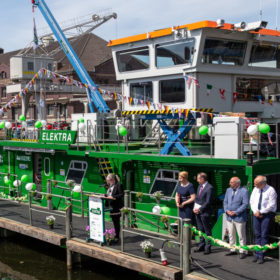
The Hydrogen Stream: World’s first hydrogen-powered towboat
Shipbuilder Hermann Barthel has developed the world’s first push boat to combine battery-electric propulsion with hydrogen and fuel cell technology. Iberdrola and Fertiberia, meanwhile, have commissioned Europe’s largest green hydrogen production plant.
