
Japan’s ENERES developing virtual power plant with 10,000 assets
The energy services firm will use software from California’s AutoGrid to develop a VPP which will draw on PV generation, energy storage and demand response technology. ENERES wants businesses to come on board and burnish their renewables credentials.

Solar could bring 200,000 jobs to the UK by 2030 – but only with government backing
As the solar industry digests yesterday’s announcement by Theresa May of a net zero carbon ambition by 2050, developer Solarcentury says Downing Street is hugely underestimating the role PV can play in achieving that milestone.
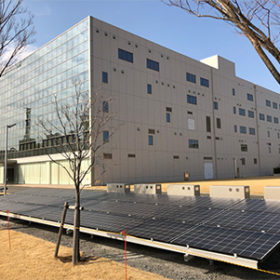
Kyocera, BYD to cooperate on e-bus charging demand aggregation
The Japanese government has issued a policy to reduce 80% of vehicle-related emissions, but high-power charging facilities for e-buses should also be aligned with distributed PV generation. Kyocera is now optimizing its virtual power plant technologies for this use case.
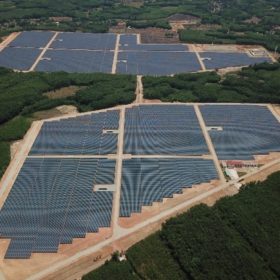
Sharp completes 49 MW in central Vietnam
A unit of the Japanese electronics group has finished building a 49 MW solar array in Quang Ngai province, in collaboration with Thailand’s Sermsang Power.
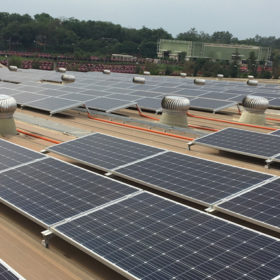
Mitsui to buy 49% of Mahindra solar subsidiary
Mahindra Susten will retain a majority 51% stake in its Marvel Solren unit, which operates 16 MW of solar at four sites in India. It aims to jointly build up to 150 MW of capacity with the Japanese trading house by 2023.
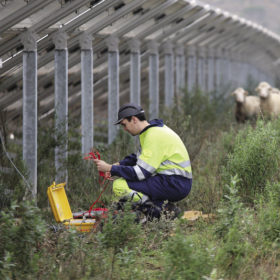
Solar, EVs and energy storage among the few technologies keeping pace with energy transition goals
Among 45 critical energy technologies and sectors assessed in a tracking report by the International Energy Agency, only seven are keeping hopes alive that climate, energy access and air pollution goals can be met.

IEA urges advanced economies to support nuclear as renewables cost continues to fall
An International Energy Agency report estimates the share of nuclear power in advanced economies could fall by two-thirds by 2040, as aging plants retire. The report claims without support for nuclear, the transition to a low carbon energy system would be far more complex and threaten global emissions targets.

Trans-Pacific partnership aims to accelerate green hydrogen uptake
Australia’s national science agency CSIRO and Canada’s University of British Columbia have announced a memorandum of understanding aimed at accelerating clean hydrogen technologies.

PV leads the way as renewables threaten coal-fired power
With clean energy being generated at lower and lower prices around the world, solar power is playing a leading role in bringing the curtain down on coal, and will help the decarbonization of transport and space heating too.

Protectionist measures working as Chinese export destinations shift
While the world’s biggest solar manufacturers are confident there are plenty of alternative markets for a rising volume of panel exports, the message spelled out by first-quarter shipment figures is that protectionism works.
