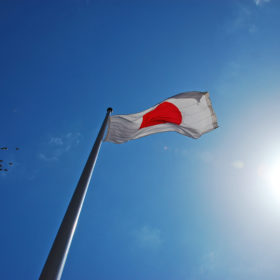
Japan auctions 197 MW in second PV tender
The Japanese Government has wrapped up its second of three planned solar auctions, with nine companies winning the rights to build a total of 196.96 MW of commercial PV capacity.

Sony lays out plans to go 100% renewable by 2040
Japanese electronics giant, Sony has become the latest major organization to commit to a 100% renewable energy target for all of its operations. The company has joined the RE100, a global NGO initiative promoting renewable energy, and plans to reach its target by 2040.
Japan to subject large scale PV to tougher environmental regulation
The new policy would come into force in late 2019. PV players are warning the rule exacerbates costs and slows deployment but similar policies are in place for other types of renewables, and in most markets worldwide.

Solargiga confirms dramatic turnaround in figures
Chinese solar manufacturer reports a similar scale of first-half losses to the $15m profit it posted this time last year. Will the company’s decision to almost double module production capacity prove an inspired move or a mistimed disaster?
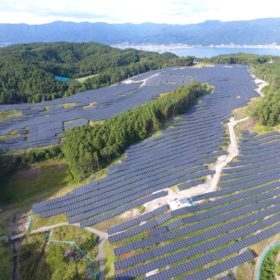
Japanese government hails new quality guidelines for PV projects
The Japanese government said the recent publication of a quality-evaluation guide for solar projects will ensure the long-term sustainability of the country’s PV sector, partly by improving maintenance standards, while serving as a potential boon for investment in the relatively dormant secondary market for operational installations.
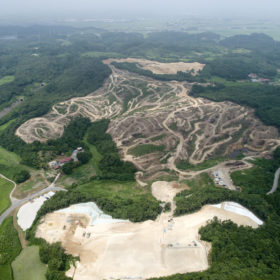
Construction commences on 213 MW of solar in Japan
Pacifico Energy is set to commence construction on two utility-scale PV projects totaling 112 MW and 72 MW, respectively, while Trina Solar is working on a 29 MW plant.

Nissan Brazil and Federal University of Santa Catarina to cooperate on second-life EV battery research
As the global EV market grows, manufacturers are seeking new revenue streams for used EV batteries. Applications in grid and residential storage systems have become popular. The market for second-life EV batteries is expected to reach $4.2 billion by 2025.
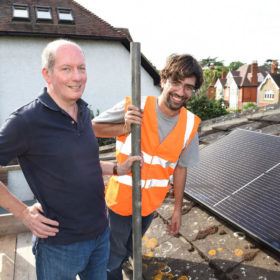
Group buying could make up for UK loss of export payments
With a group purchasing program securing hefty discounts for British households – and attracting thousands of potential customers as a result – solar has a viable business case no matter what further cuts the government throws at the industry.
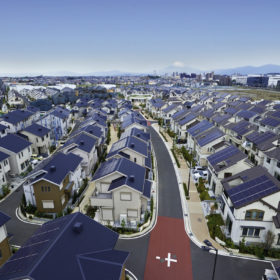
Japan’s PV sector should focus on future energy mix target — report
The Japanese PV industry should respond to the government’s recent decision to leave its 2030 energy mix targets unchanged by pushing for a higher share of solar in the next version of the country’s strategic energy plan, according to a new report.
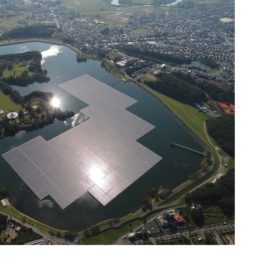
Kyocera reports falling revenues for solar business
Japanese electronics company & cell/module manufacturer, Kyocera has reported improved overall financials for the first quarter of the Japanese financial year, with a 12.3% increase in revenues. For the company’s activities in solar, however, signs are less encouraging.
