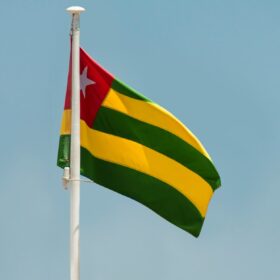
Togo opens solar minigrid tender
The government of Togo is running a tender for the construction of solar minigrids in 27 rural localities. The deadline for applications is May 26.
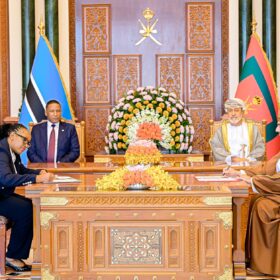
Omani company to build 500 MW of solar in Botswana
Oman’s Naqaa Sustainable Energy LLC is set to design, finance, construct and operate a 500 MW solar project in northwestern Botswana. A groundbreaking ceremony is scheduled to take place later this week.

The Hydrogen Stream: Dutch electrolyzer merger forms Alquion
Battolyser Systems and VDL Hydrogen Systems have merged to form Alquion, while Ming Yang Smart Energy Group plans to invest more than $10 billion in hydrogen and renewable energy projects in Ethiopia.
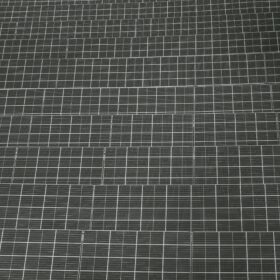
Zambia tenders 300 MW of solar
The first bid window of Zambia’s new Carbon Feed In Premium Program plans to develop 300 MW of solar across projects that are connected to on-site battery energy storage systems. The deadline to submit expressions of interest is May 31.

South Africa’s Eskom extends small-scale solar registration fee waiver
The South African Photovoltaic Industry Association has welcomed the utility’s decision to extend its registration fee waiver for solar systems until the end of September, as it calls for the country’s municipal distributors to streamline their own processes for small-scale embedded generation systems.

Ghana plans to procure 200 MW of battery storage
Ghana’s Minister for Energy and Green Transition says the country will advertise competitive bidding processes to deploy 200 MW of battery storage across the country. Ghana’s current installed battery capacity stands at 10 MWh.
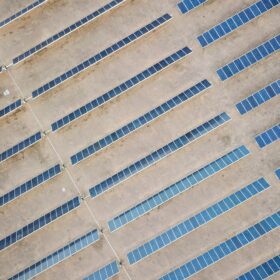
South Africa’s largest PV project reaches financial close
A 620 MW solar project to be constructed in South Africa’s Free State has reached financial close. The milestone follows the signing of a more than 20-year multi-offtaker wheeling agreement with commercial and industrial clients.
Debt-laden South African municipalities may turn to solar-plus-battery backup solutions
Eskom says it is issuing notices against around 14 municipalities in South Africa over outstanding municipal debts. The company warns that if the municipalities do not take corrective action, it will take credit control measures that may include interrupting electricity supply at predetermined times.
Africa’s next growth frontier: Why agrivoltaics are worth the long-term bet
Africa has abundant sunlight, arable land, and innovative farmers, and agrivoltaics offers a long-term strategy to boost food security, climate resilience, and energy access simultaneously. Success depends on coordinated policy, inclusive community engagement, and patient, innovative finance to build a viable, scalable market.

Photovoltaics for cattle dung gasification
Researchers tested a solar PV-powered system to gasify dried cattle dung, achieving higher energy recovery than grid-powered setups.Their techno-economic-environmental analysis shows the approach can cut emissions and be economically viable, though system utilization and operational factors strongly affect profitability.
