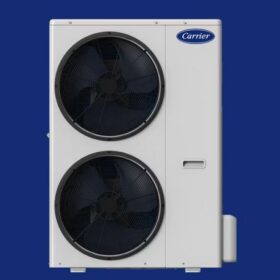
Carrier launches new heat pump for residential, light commercial use
Carrier, a US-based heating solutions provider, has introduced a new heat pump system featuring a cooling seasonal energy efficiency rating (SEER2) of up to 29.7 and a heating seasonal performance factor (HSPF2) of up to 12.2.

The Hydrogen Stream: EIA sees mostly gray hydrogen in US by 2050
The US Energy Information Administration (EIA) says US hydrogen production will increase about 80% by 2050, mainly from natural gas with minimal electrolyzer use, while key industry players advance large-scale green hydrogen projects and expand hydrogen vehicle support across global markets.

US opens next round of solar import probes targeting India, Indonesia, Laos
The US Department of Commerce has initiated full investigations into anti-dumping and anti-subsidy cases against solar imports from India, Indonesia, and Laos filed in July. These investigations, conducted alongside the US International Trade Commission (ITC), are expected to continue into next spring.
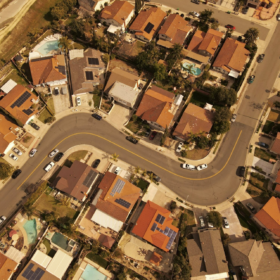
California high court orders review of rooftop solar incentive cuts
The California Supreme Court has ordered the state appeals court to reexamine its decision to defer to the California Public Utilities Commission (CPUC) over a controversial cut to rooftop solar incentives. The net energy metering 3.0 ruling led to a crash in California’s once-thriving rooftop solar market and put clean energy procurement goals in jeopardy.

Researchers highlight importance of site-specific agrivoltaics design
A research team from Temple University in Philadelphia analyzed the synergies and trade-offs of land conversion to agrivoltaics and other multi-use solar energy landscapes globally. They found that co-located solar systems should be specifically tailored in order to offer optimal performance and minimize negative impacts.
US agency set to revoke $7 billion in solar access grants
The US Environmental Protection Agency (EPA) plans to rescind $7 billion in Solar For All grants disbursed to state-run programs that expand solar access for low- and moderate-income households, according to reports.

Qcells confirms US customs detained solar cell imports from South Korea
Qcells has confirmed that US Customs and Border Protection (CBP) has detained an unspecified volume of its solar cell imports from South Korea. The company claims the cells do not contain components from Xinjiang, China and says it is working with CBP to resolve the issue.
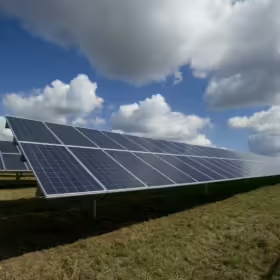
California urged to fast-track 23 GW of renewables near gas plants
California could move quickly to enable 23 GW of renewables near existing thermal generators, in time for the projects to qualify for tax credits before they expire, says a think tank policy director.
New York Power Authority doubles renewables target to 6.6 GW
The New York Power Authority has doubled the capacity target in its renewables plan to 6.6 GW after criticism that its initial 3.3 GW proposal fell short of state climate goals.

PV-integrated noise barriers for transportation corridors
U.S. startup Ko-Solar and Germany’s R. Kohlhauer, announced plans to offer turnkey PV-integrated noise barrier systems for transportation corridors, such as alongside highways, railways, and airport runways.
