
How to attract bees into solar parks
According to new research from the U.K., solar parks may help maintain natural habitats for pollinators that could be, otherwise, destroyed by intensive farming. The study also highlights that biodiversity could be both positively and negatively affected by solar parks and associated land-use change.
Europe’s largest PV plant takes shape in Spain
The Trillo photovoltaic complex will have an installed capacity of 626 MW. Construction is scheduled to begin on May 7.
Higher performance with bigger modules a ‘no brainer’
Jan Bicker, who replaced Steve O’Neil as the CEO of REC on March 1, says that one of his top priorities is the ongoing development of the company’s Alpha PV modules. REC plans to unveil new, more powerful panels soon, and will make a final decision on a new factory in France in June.
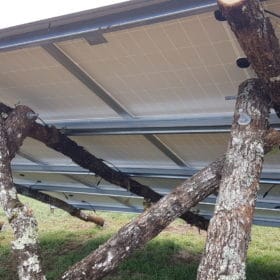
Solar park built on rough wooden structures comes online in France
French company Céléwatt energized its 250 kW ground-mounted array, built with mounting structures made of raw oak wood.
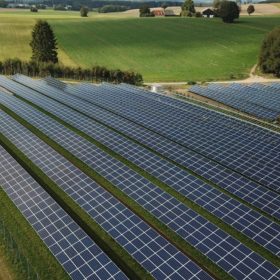
Impact of solar on biodiversity in France
A newly published report looks at the impact of solar projects on biodiversity. It shows that the environmental consequences of solar tend to vary, depending on species and location.
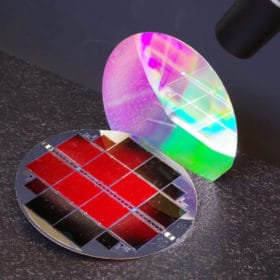
Fraunhofer ISE achieves 35.9% efficiency for III-V triple-junction solar cell based on silicon
The cell, which looks externally like a device with a two-terminal architecture, was built with III-V semiconductor layers that were connected to the silicon sub-cell on the atomic level. The cell may be used in electrically powered aircraft and drones.
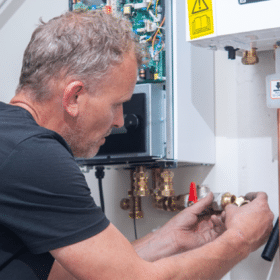
Massive plan for hybrid heat pump deployment in the Netherlands
The Dutch association of national-regional electricity and gas network operators, Netbeheer Nederland, is leading a plan to deploy up to 2 million hybrid heat pumps by 2030. The plan should be supported by a subsidy scheme by the government and enable the installation of at least 100,000 heat pumps per year from 2024.
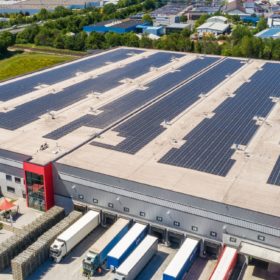
Germany aims to tender 4 GW of additional PV in 2022
Germany might tender a total of 6 GW of solar next year if the authorities decide to move forward with plans to add 4 GW to the existing volume. An additional 100 MW could be tendered for agrivoltaics and floating PV.
U.K. takes another tiny step to smart energy system
Energy regulator Ofgem has announced it aims to bring in market-wide half-hourly settlement across the retail electricity market – from October 2025. The long timescale reflects a sluggish attitude at an inconsistent regulator which appears to be planning an unpredictable route to net zero.
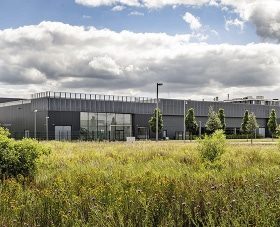
Meyer Burger buys wafers from different manufacturers
Before the official start of production, the Swiss photovoltaic manufacturer signed contracts with several suppliers that only use polysilicon produced by Wacker Chemie. Meyer Burger plans to start producing its solar modules and cells in Germany in the second quarter.
