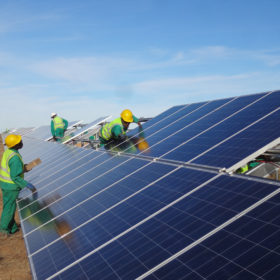
SN Power acquisition secures 10.5 GW pipeline for developer Scatec
The renewables business formerly known as Scatec Solar has added a 2.5 GW hydropower portfolio in Asia and sub-Saharan Africa and also added its first wind farm while reporting a consolidated loss of almost $43 million for the year.

The Smarter E Europe postponed to July
The organizers of Intersolar and Ees Europe, in Munich, the largest photovoltaic and storage trade fairs in Europe, have decided to postpone the two events by six weeks. They hope that in the second half of the year there will be fewer restrictions and that the summer will have a dampening effect on the coronavirus pandemic.

Spain’s Endesa unveils ambitious plans for green hydrogen
The Spanish power utility announced it wants to deploy 23 green hydrogen projects by 2024. The company plans to build around 340 MW of electrolyzer capacity.

Germany installed 4.88 GW of solar in 2020
The country saw around 525 MW of new PV capacity come online in December alone. The feed-in tariffs for PV systems not exceeding 750 kW in size were reduced by 1.4%.

France publishes first-quarter FITs for PV systems up to 100 kW
The feed-in tariff granted reduces each quarter, in line with how much solar capacity was installed in the previous three-month period.
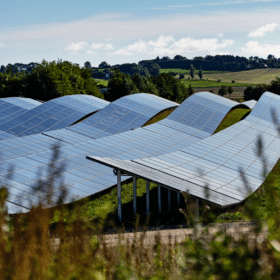
Seven-year PPA for 34 MW solar park in Denmark
Denmark’s Better Energy is building the PV facility in Denmark’s southernmost region. Danish pharmaceutical company Lundbeck has agreed to buy the power generated by the plant over a seven-year period.
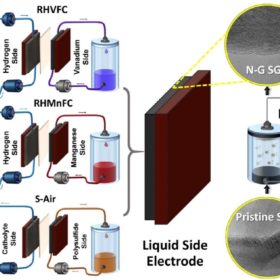
Hybrid electrodes for cheaper redox flow batteries
UK researchers have used standard carbon paper electrodes modified with electrophoretically deposited nitrogen-doped graphene (N-G) to improve the electrochemical performance of hybrid redox flow cells utilized in redox flow batteries. According to their findings, these electrodes are capable of meeting the harsh electrochemical requirements for these HRFCs and offer enhanced performance and operability.
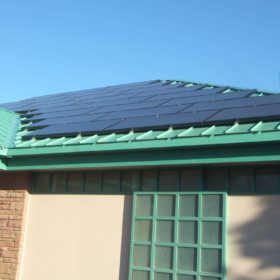
Flexible heat pumps ideal for power grids congested by solar and wind
Dutch transmission system operator Tennet, which also serves Germany, is planning to create flexible electricity demand and reduce grid congestion by promoting the use of smarter heating systems and heat pumps that can also be powered by solar and wind energy. According to its experts, intelligent control of heat pumps may result in the creation of between 0.5 and 1 GW of temporary grid flexibility by 2030.
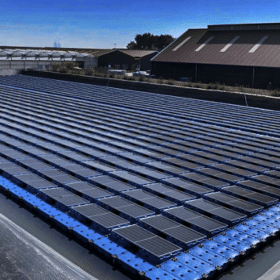
Floating PV plant crossing two adjacent ponds
Spanish developer Isigenere has built a 338 kW floating array on the surfaces of two adjacent ponds in the Netherlands. The plant relies on a special mounting system design that avoids contact between the solar panels and the sides of the pond.
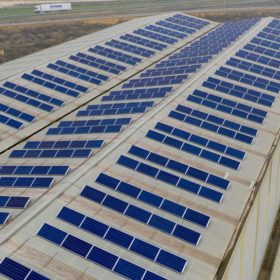
Solar for self-consumption keeps growing in Spain
Around 569 MW of new PV systems were installed last year under the country’s rules for self-consumption. Around 56% of this capacity was deployed in the industrial segment, while commercial installations had a 23% share.
