
Switzerland allocates another $513m for solar incentives
The new funds will eliminate the waiting list for old feed-in tariff contracts. Around 22,400 new renewable energy systems have secured public support in Switzerland this year.

Oxford PV’s German module factory backed by Brandenburg state with €8.8m
Oxford PV is currently building a manufacturing facility for its silicon perovskite tandem solar cells in Brandenburg an der Havel.
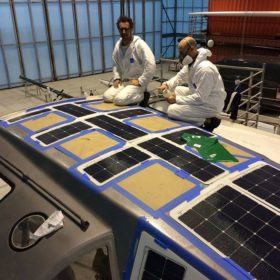
Non-stop worldwide PV-powered yacht race
The ninth edition of the Vendée Globe began on Nov. 8 from the French port of Sables-d’Olonne, for a complete world tour without stopovers or assistance. PV panel maker Solbian equipped several competitors with its flexible products.
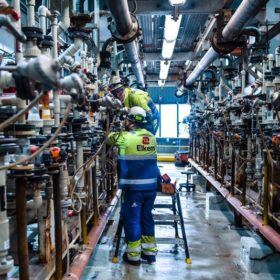
Hydrogen captured as a byproduct of polysilicon production
A Norwegian chemical company has received funding from a state-owned innovation hub to develop technology which enables the capture of hydrogen as a byproduct of the company’s silicon production.
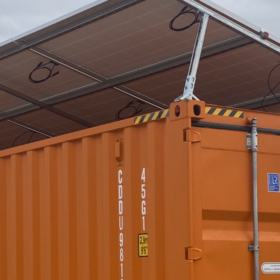
Solar-powered atmospheric water generator
Spain’s GFM says its new system can produce 500 liters of water per day. It claims it is a low-cost way to improve access to electricity and drinking water in remote areas.
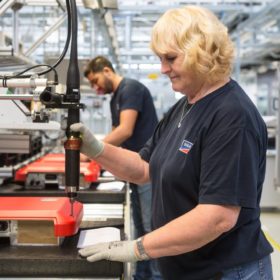
SMA swings to profit in first three quarters of 2020
Despite the coronavirus pandemic, the photovoltaic inverter maker was able to significantly increase its turnover and sales compared to the previous year.

Plans for 50,000 hydrogen-powered taxis in Paris
European electric transmission company body ENTSO-E has unveiled details of a project to install 11 GWh of electrolyzed hydrogen storage capacity across ten locations around the French capital by the end of the decade.
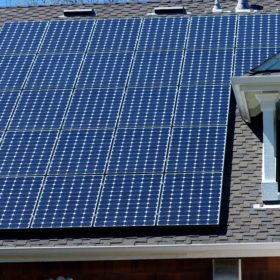
Italy has 170 MW/267 MWh of distributed storage capacity
The country added around 90 MW/100 MWh of new, small-sized storage capacity over the past 18 months. Most of the batteries are in Lombardy, whose administration offers rebates.
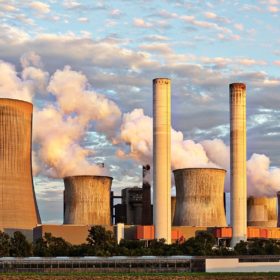
Toshiba and Siemens Energy pledge to walk away from coal-fired power business
The Japanese tech giant and German power company have followed the lead of General Electric by promising not to take on any new coal power station contracts.

Pension funds and corporates could save the world
The second edition of the clean energy investment report produced by IRENA says the industry needs to unlock the $87 trillion being sat on by the world’s biggest investment houses – ‘greening’ the $100 trillion global bond market would help too.
