
Global PV equipment market to reach 2.6 times current size by 2035
A new study by Germany’s mechanical engineering association (VDMA) finds global capital expenditure on PV manufacturing equipment will grow to more than 2.5 times current levels by 2035, with European suppliers retaining competitive strengths for now despite structural challenges.
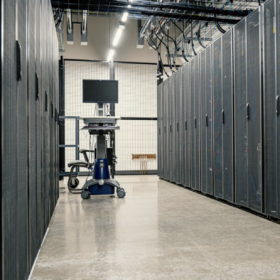
Why battery storage is becoming the engine of AI growth
Data centers are using batteries to run more AI on the same grid connection.
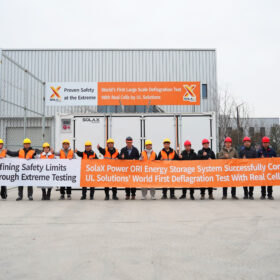
SolaX Power validates system level safety through extreme testing
Under controlled conditions, the SolaX ORI 5 MWh system’s battery cells were intentionally driven into thermal runaway, with the emergency ventilation system kept closed throughout. The system’s pressure relief structure activated as designed to guarantee no additional risks to surrounding personnel or the environment.

Solar cyber threats expand, but inverters still stay in the crosshairs
In an interview with pv magazine, Jay Johnson, the CTO of US-based cybersecurity firm DERSec, explains that PV systems face cybersecurity risks that extend far beyond inverters, as demonstrated by a December attack on Polish solar plants where wiper malware targeted substation equipment rather than the inverters themselves. Vulnerabilities often lie in backhaul communication channels like APIs and mobile apps, making layered defenses, network segmentation, and vigilant monitoring essential to safeguard distributed energy resources.
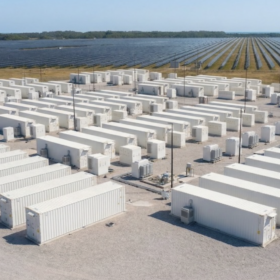
When battery imbalance turns 11% of capacity into stranded energy
A 350 MWh battery storage system in Europe is delivering significantly less energy than expected due to cell imbalance, with the battery management system failing to detect the issue, tradable energy volumes chronically overestimated, and weekly balancing cost exposure reaching up to €110,000 ($127,745). This is one of the real-world failure scenarios to be examined at the Battery Business & Development Forum on April 1.
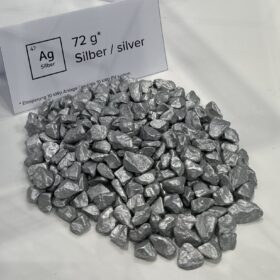
Silver prices find new floor around $70 an ounce
Silver prices have fallen by more than 40% since early January, when they reached an all-time peak of about $120/oz.
Solar key to space-based AI
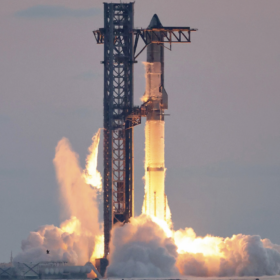
Elon Musk, the CEO of both Tesla and SpaceX, raised some eyebrows at this year’s World Economic Forum (WEF) in Davos, Switzerland, when he predicted “that the lowest cost place to put AI will be space and that will be true within two to three years, three at the latest.” pv magazine reported on Musk’s vision on our global website www.pv-magazine.com on Jan. 26, 2026, and exactly one week later SpaceX announced that it was acquiring xAI “to form the most ambitious, vertically integrated innovation engine on (and off) Earth, with AI, rockets, space-based internet, direct-to-mobile device communications, and the world’s foremost real-time information and free speech platform.”
Why BESS insurers are sweating transformers and contractor errors over battery fires
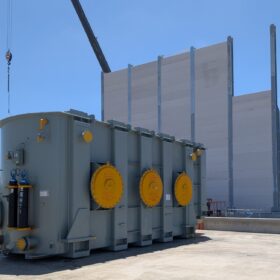
The BESS insurance risk profile is shifting. In an exclusive interview, Tokio Marine GX underwriter Michael Carrington explains why insurers are looking past battery fires and sweating over supply chain bottlenecks, high-voltage transformers, and costly EPC integration errors.
China wafer prices unchanged as resumed purchases fail to lift market
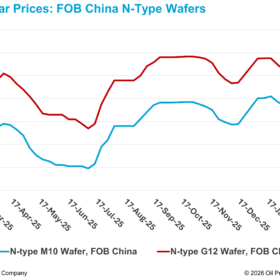
In a new weekly update for pv magazine, OPIS, a Dow Jones company, provides a quick look at the main price trends in the global PV industry.
Solar and the cyber winter
In an interview with pv magazine, cybersecurity expert Roberto Setola describes a structural shift in cyber threats against solar energy infrastructure, where attacks now target peripheral systems like remote terminal units rather than centralized SCADA, often in coordinated campaigns amplified by AI. He also emphasized that the recent cyberattack to PV plants in Poland demonstrated how simultaneous strikes on smaller, less-protected operators can potentially trigger major disruptions, including blackouts, economic losses, and cascading grid risks.
