
‘No alternative to 100% renewables’
Transition to a world run entirely on clean energy – together with the implementation of natural climate solutions – is the only way to halt climate change and keep the global temperature rise below 1.5°C, according to another significant study.
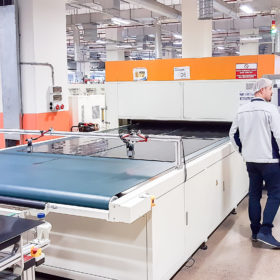
PI Berlin: Asia leading the way for module quality
Quality assurance provider PI Berlin has found the solar industry has made significant improvements to module quality in the past six years and that, perhaps surprisingly, manufacturers in China and South East Asia are setting the standard by producing higher quality modules, on average, than other regions.
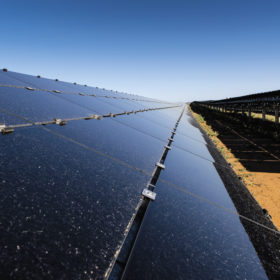
Solar will rebound this year with more than 100 GW of new capacity
Wood Mackenzie’s number-crunchers are the latest analysts queueing up to predict a bumper year ahead for PV, with falling prices, rising efficiency rates and booming markets outside China all on the cards. And it could be a make-or-break year for mega-projects, says Wood Mac.

The weekend read: Why are we not making the most out of big data analysis?
Although the solar industry sees itself as young, its assets are aging. Owners still struggle with the complexity of making the best use of big data analysis to improve plant efficiency and profitability. Ragna Schmidt-Haupt, of Everoze, examines why this has not changed, and what can or should be improved. Artificial intelligence, advanced data analytics, automated assessments and smart monitoring software – holistic solar asset management starts here.
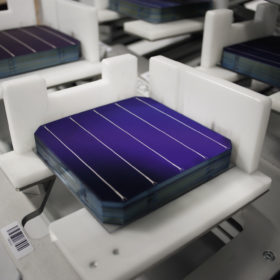
Energytrend: Stockpiles down, utilization and prices recovering
The Taiwanese market research company has published its latest price trend data for PV modules, cells, wafers and silicon. Across the value chain, rising demand is causing stockpiles to dwindle and utilization rates to rise. Prices are rising in China as well as for high-efficiency products. Module prices have stabilized.

China installed 43.6 GW of solar last year – despite 5/31 New Policy
Central subsidies may have been cut back but the domestic market rebounded quickly and overseas shipments soared on the back of rising production volumes and ever cheaper module prices.

Solar investment slid on the back of cheaper modules and China setback
The world again saw more than $300 billion of clean energy investment in 2018, according to BloombergNEF, and although wind narrowed the gap on solar, plunging module prices skewed the figures as PV capacity additions rose 10 GW.
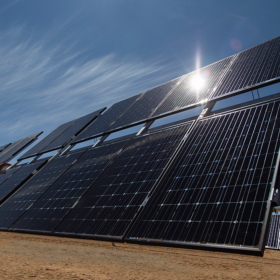
TrendForce forecasts 111 GW of new solar this year
The Taiwanese market research company said the effects of the 5/31 policy shift in China were less severe than expected, and in 2018 the global solar market grew 4.9%, with approximately 103 GW of new additions. This year, the solar demand is forecast to rise another 7.7%.

Enel touts €1bn green bond and bags 70% of Polish demand response market
The energy giant’s finance subsidiary placed a bond in Europe to finance its renewable energy and infrastructure projects and secured 70% of Poland’s demand response capacity market for the 2021-2023 period, in the first auctions of their kind in the nation.
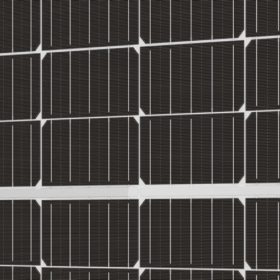
Webinar Q&A: “Are half-cut cell modules the future?”
Many manufacturers are converting large parts of their production capacities to half-cut cell technology. Is this a niche or will the traditional full cell module eventually disappear? The use of the new technology has clear advantages for manufacturers and buyers, say the experts.
