
COP24 live blog – Day 5
Max Hall is doing one last round of COP24 in Katowice for pv magazine to see whether the world can stave off climate disaster
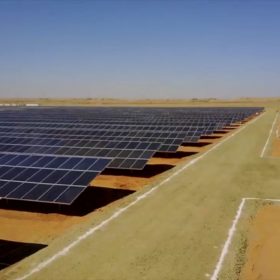
EBRD unveils new energy strategy without coal or oil, looks to mobilize €1 billion in private sector capital
The European Bank for Reconstruction and Development yesterday unveiled its new energy sector strategy, which aims to ramp up renewables investment, while moving away from coal and oil. Gas will still remain a focus, however. It has also announced this week, plans for a €250 million green bond framework, through which it hopes to double the issuance of green/sustainability bonds in its active regions; and mobilize €1 billion in private sector investment over the next three years.

COP24 live blog – Day 4
Max Hall is back on the solar beat at COP24 in Katowice on behalf of pv magazine, prowling the corridors trying to establish whether the world’s politicians can unite to stave off catastrophic global warming.
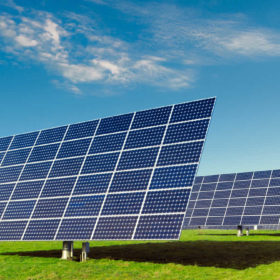
Swiss fintech startup builds platform for post-tariff renewable energy markets
As renewable energy subsidies slowly evaporate, managing risks and securing revenue streams is becoming increasingly complex for investors. Pexapark is looking to address this helping companies transact PPAs and manage energy sales.
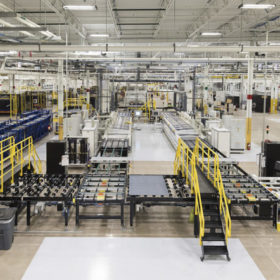
First Solar sees a doubling coming in 2019
The thin film PV maker projects 5.4 to 5.6 GW of module shipments next year, more than double its current projected 2018 volumes of 2.6 to 2.7 GW.
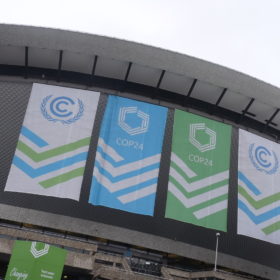
COP24 live blog – Day 3
pv magazine’s Max Hall is back on the beat at COP24 in Katowice for more climate change related shenanigans, and will be endeavoring to uncover any solar angles he can winkle out in the vast venue.

COP24 live blog – Day 2
pv magazine‘s Max Hall will be pounding the vast spaces of the COP24 venue in Katowice to bring you the latest developments in Poland and trying to shine a light on solar’s presence here.

Industry urges policymakers to catch up with technology at COP24
The Global Solar Council has released a 15 point plan, which is largely policy focussed, alleging that the industry has down its homework to slash the costs of solar. Now its policies turn to even the playing field. In a similar effort, the World Future Council has announced that it will launch a new platform for policymakers and the industry to enable an ongoing dialogue.

Switching to solar could save aid missions half a billion per year
A new report published by Chatham House for the Moving Energy Initiative examines energy spending of humanitarian aid organizations. The authors claim that with modern clean energy systems the sector could save US$517 million per year on fuel costs, as hitherto the majority of refugee camps and other facilities are run on diesel gensets.
Over 400 investors call on world’s leaders to address climate change
A total of 414 investors managing US$32 trillion in assets have called on the world’s policy makers to take action against climate change. It has been called the “single largest policy intervention” of its kind.
