SolarEdge up 12% after hours on second-quarter revenue and solid earnings – despite Covid-19
The inverter and energy storage company was able to maintain its streak of profitable quarters in what was expected to be a hard period for solar and the Israeli business said it sees “signs of recovery in the U.S.”

Value of Indian PV imports tanked 83% in second quarter
Mercom India Research has said the quarterly value of solar cell and module imports was down 83% in the second quarter of the year, compared to the same period of 2019, to sit 54% lower than the value recorded in the January-to-March window.
Chinese solar glass company keeps 24-hour furnaces running during Covid crisis
Xinyi Solar has revealed another impressive set of figures and plans another 1,000-ton-per-day production line this month plus a new mine to source raw materials in September.

Indian EPC Sterling and Wilson: Europe will be our next stop
Having bagged large orders in the U.S. and Australia, Indian multinational engineering, procurement and construction (EPC) services provider Sterling and Wilson Solar is bidding for tenders in new regions, Europe among them. Kannan Krishnan, S&W’s chief operations officer for solar in India and the South Asian Association for Regional Cooperation area, speaks to pv magazine about the impact of Covid-19 on the solar EPC business and the company’s expansion plans.
Covid-19 weekly round-up: Solar resilient in the US as Australia and Europe forge ahead through crisis
Plus, U.K. analyst Cornwall Insight reports the price of green energy certificates in the nation could stay in the doldrums for some time and industry executives consider the upsides of the new virtual PV business.
Renewables outpace nuclear and coal in the US
The latest edition of the US Energy Information Administration’s Electric Power Monthly report shows renewables generated more electricity through May 31 than coal and nuclear.
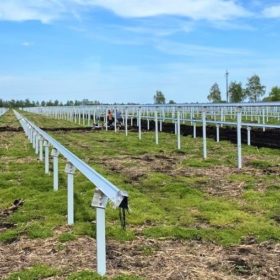
Umweltbank finances 110 MW solar project in Germany
Developer Anumar has secured the signature of Norwegian renewables company Statkraft on a 50 MW power purchase agreement for the project and another 30 MW of generation capacity has been awarded a feed-in premium tariff in a tender. Umweltbank provided a €55 million loan.
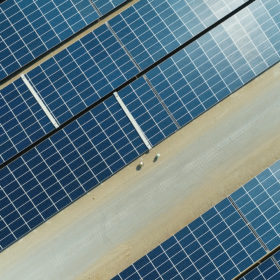
Exclusive interview – Jinko Power on how it offered the world’s lowest solar power price
pv magazine’s Amjad Khashman has spoken to Chinese solar developer Jinko Power about negotiating the world record low price tariff agreed for electricity generated at the Al Dhafra solar project in Abu Dhabi.
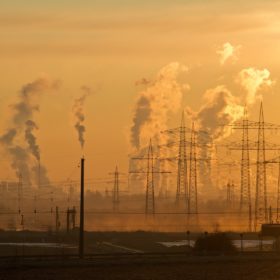
Cleaning the air is like ‘moving a solar panel from Toronto to Houston’
An international research team has measured the reduction of air pollution due to the Covid-19 shutdown and its impact on solar radiation levels. They found that solar radiation in Delhi, one of the world’s most polluted cities, was around 8.3% higher in late March, when the Indian government implemented lockdown measures.
Covid-19 weekly round-up: Biden’s $2tn green recovery program as Germany prepares to return to normality
Plus, even stay-at-home orders and plunging commercial energy demand failed to take the sting out of Australia’s solar duck curve and China’s GCL System counts the first-half cost of the public health crisis.
