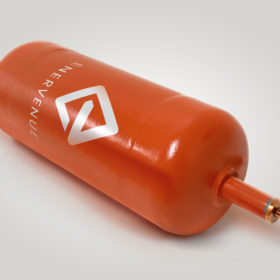
Nickel-hydrogen battery for large scale renewables
U.S. start-up EnerVenue has secured funding to build a gigafactory to produce nickel-hydrogen batteries for large scale renewable and storage applications. The battery has an efficiency ranging from 80 to 90%, depending on the cycle rate, and its energy density per square foot is equal to, or better than lithium-ion batteries, according to the company.

Movable solar power station for off-grid applications
The modular power station comes with two lithium iron phosphate (LFP) batteries and has a capacity of 6 kW/24.6 kWh. It relies on a 3 kW pure sine wave inverter which the manufacturer said is able to adjust the AC charging rate.
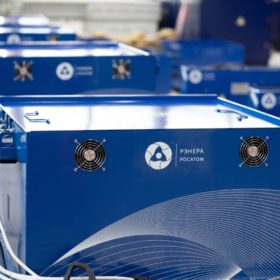
Rosatom identifies location for 3 GWh lithium-ion battery factory
Russian energy giant said its gigafactory will be located in Russia’s western exclave of Kaliningrad. The facility is expected to begin manufacturing activities in 2026.
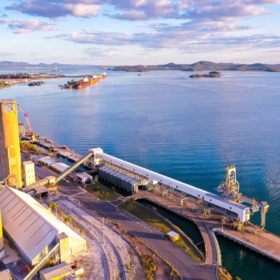
Developers move forward with GW-scale PV-wind-storage project in Australia
A couple of years ago, the Australian state of Queensland became a beacon to advisory Energy Estate and international renewables developer RES Group. The Moah Creek Renewable Energy Project, the first stage of their gigawatt-scale plan, is now about to be introduced to the community.
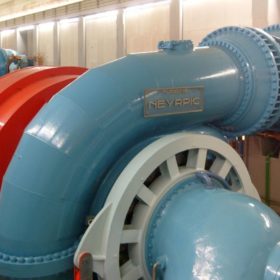
Indonesia moves forward with 1 GW pumped storage hydropower plant
The World Bank has agreed to finance part of a project owned by Indonesian state-owned utility, PLN. The facility is planned to enable a larger penetration of renewable energy to provide with power two large demand centers in West Java.
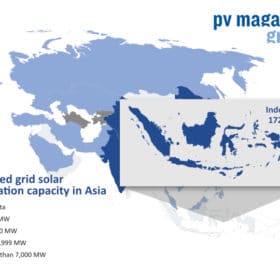
Regional strategy to turbocharge Indonesian solar
A roadmap to rapid carbon emission reduction has suggested the nation add 2.4 GW of generation capacity next year as part of a 15 GW new-solar target this decade. The claims of solar-plus-storage should be ignored for now, according to a new policy document, because batteries will make PV less competitive with coal.
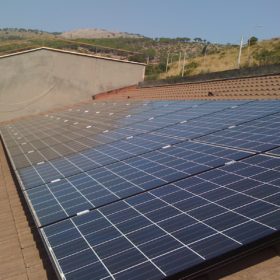
Italy’s Lombardy region adds another €20 million for residential PV+storage
Italy’s richest and most dynamic region continues to support solar+storage installations with rebates.
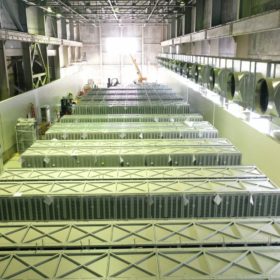
US energy storage facility knocked offline after batteries overheat
The Moss Landing Energy Storage Facility in California, which became operational in December 2020, has gone offline after overheating. The system features lithium-ion batteries from LG Energy Solution. Fire crews found scorched battery racks and melted wires.
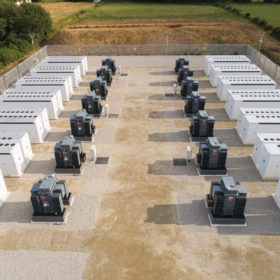
Construction begins on UK’s largest storage project
FRV, Harmony Energy, and Tesla are building a 99 MW/198 MWh facility in Essex. The system will rely on the Megapack solution from the U.S. manufacturer.

Designer bacteria for energy storage
A group of biologists in the United States working with a bacteria discovered a mechanism that could be used to convert electricity into biofuels or other useful substances. With better understanding of the genetics, the group says the mechanism could rival hydrogen for the storage of renewable energy.
