
PEM fuel cell with novel biomimetic design
Spanish scientists developed a proton exchange membrane fuel cell with a bipolar plate based on a nature-inspired structure. This architecture, according to its creators, shows remarkable performance when operating at high relative humidity values of 90%.
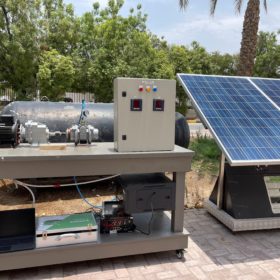
Compressed air storage vs. lead-acid batteries
Researchers in the United Arab Emirates have compared the performance of compressed air storage and lead-acid batteries in terms of energy stored per cubic meter, costs, and payback period. They found the former has a considerably lower Capex and a payback time of only two years.
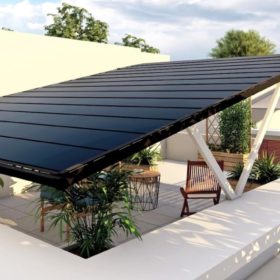
Integrated solar rooftop, gazebo solutions for residential applications
India’s SunEdison has partnered with US startup Arka Energy to provide the Arka collection of solar roof and gazebo solutions in India.
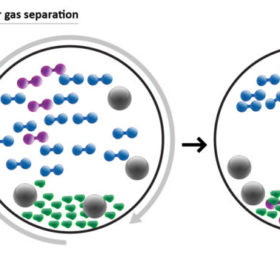
Novel mechanochemical breakthrough for hydrogen storage
Researchers at Deakin University in Australia have discovered a novel way to separate, store and transport large amounts of gas without waste.
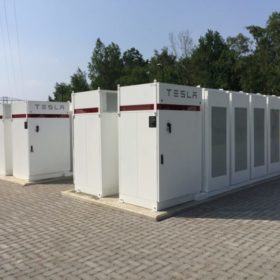
Storage for load shifting viable in several Brazilian states
Greener says that battery storage could help large electricity consumers in Brazil to cope with sharp differences between peak tariffs and off-peak tariffs.
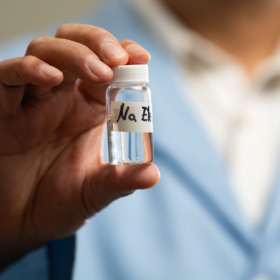
Sodium-ion batteries for EVs, renewables storage
US scientist have developed a new electrolyte design for sodium-ion batteries to improve their long cycling performance. The low-solvation electrolyte was designed for high-voltage sodium-ion batteries, which retained 90% of their capacity after 300 cycles.
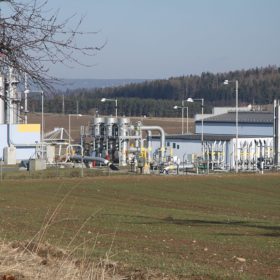
Oil and gas reservoirs are cheapest options for underground hydrogen storage
New research from Ireland shows that depleted oil and gas reservoirs may be used to store hydrogen at a cost of $1.29/kg. According to the researchers, underground hydrogen storage may benefit from the technological maturity of the geologic storage of natural gas and CO2, which are associated with decades of established knowledge.

Heat pumps ‘grossly underestimated’ technology for Australia’s decarbonization
Interest and investment in heat pumps have surged in Europe, but in Australia the technology has struggled to find a serious foothold. Despite the potential, dodgy technology suppliers and schemes gone awry have left a bad taste in Australia’s mouth, CEO Jarrod Leak tells pv magazine Australia
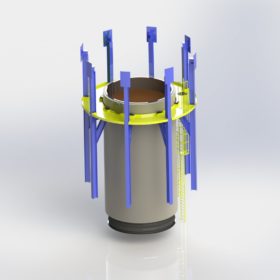
Hybridizing compressed air, thermal energy storage in post mining infrastructure
Scientists in Poland have developed a compressed air energy storage technology using a thermal energy storage (TES) system built into a disused mine shaft. The system works without external heat sources, and utilizes an air compressor, a compressed air reservoir with a built-in thermal energy storage system, and an air expander.
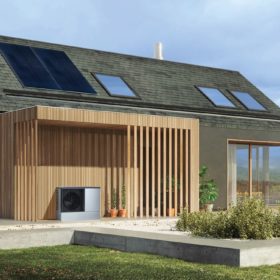
Viessmann builds heat pump factory in Poland
The Germany-based heating specialist wants to invest more than €200 million (US$200.5 million) in the new heat pump facility.
