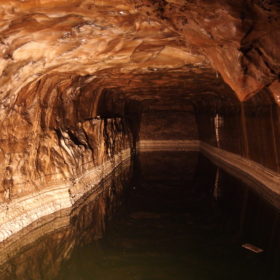
Hydrogen storage in salt caverns
Researchers in Germany have identified salt caverns as a feasible and flexible solution for hydrogen storage. They also revealed that Europe has the potential to inject hydrogen in bedded salt deposits and salt domes, with a total storage capacity of 84.8 PWh.
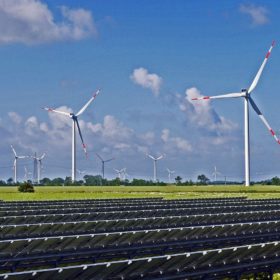
India set to add 15 GW of wind-solar hybrid capacity in five years
Almost 10 GW of hybrid generation capacity is already under implementation despite the nation having only 100 MW of combined wind and PV projects at present, according to analyst Crisil.
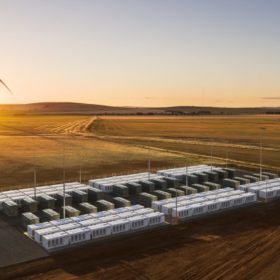
Finland to stabilize grid with 30 MW/30 MWh battery
The Yllikkälä Power Reserve One project will be one of Europe’s largest storage installations and the biggest in the Nordic countries. French developer Neoen will deploy the big battery close to Lappeenranta in the southeastern part of the country.

Thyssenkrupp increases annual electrolyzer capacity to 1 GW
The German conglomerate’s electrolyzers boast efficiency levels of up to 80%. The modular devices can be connected to form plants of almost any size.
PV plants lasting longer, with lower operational costs
Solar plants are now expected to last 32.5 years and cost $17 per kW/year to operate, as shown by a Berkeley Lab survey of industry participants.
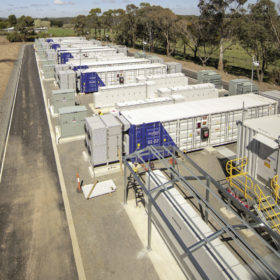
China reaches 1.7 GW of electrochemical storage capacity
According to new numbers released by the China Energy Storage Alliance, the country’s storage capacity topped 32.4 GW at the end of last year. The association said the storage market is expected to continue to grow steadily in the years ahead.

Australian rooftop PV market continues to thrive
Australia’s rooftop PV fleet continues to grow in the face of uncertainty surrounding the outbreak of the pandemic, posting another big month above 200 MW. Mega-household solar systems are growing in popularity, but retailers and installers can see the storm clouds gathering.
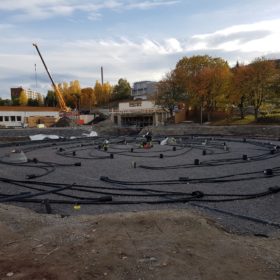
Borehole thermal energy storage for solar
The municipality of Drammen, Norway, has started testing a seasonal PV storage project that uses boreholes in the ground. The operators of the project are using electricity from PV modules to produce heat via a CO2 heat pump and outdoor air. The heat is produced by the CO2 pump during the spring, summer and fall, in addition to heat produced by solar thermal collectors.
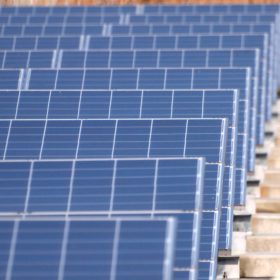
Romania’s largest gas provider set to embrace renewables
Romgaz is reportedly planning to invest in solar, wind, geothermal and biogas power projects by tendering for consultants.

Hungary to hold another renewables auction this year
In its next procurement exercise, the Hungarian government will allocate 77% of the available renewable subsidies that it failed to assign in March’s auction.
