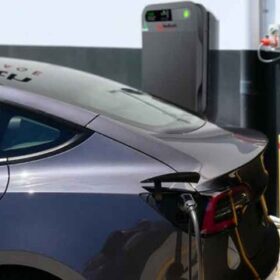
RedEarth unveils V2G EV charger
Australian energy storage manufacturer RedEarth Energy Storage is set to bring its Australian-made vehicle-to-grid electric vehicle charge to market, and has also released two next generation products from its smart energy ecosystem.
New tech can tell if your EV will make it home
Researchers in California have created a new diagnostic metric that can reportedly predict if a battery can successfully power a specific task. The proposed model could be used in electric vehicles, unmanned aerial systems, and grid storage applications.
EV charging shapes PV investment, grid load in community study
Researchers in Spain have simulated an energy community with varying electric-vehicle penetration levels (0%, 50%, and 100%) to analyze system optimization under different regulatory frameworks and EV brands. Charging strategies significantly affected overall performance and outcomes.
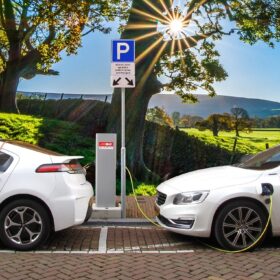
Daytime charging of electric vehicles further expands adoption of photovoltaics
Photovoltaics continues adding capacity at a rapid pace, and 2024 was another record year for solar PV deployment. In the meantime, despite recent hurdles to widespread adoption in some countries, electric vehicle uptake grew 25% last year. Assuming a 10 kWh/day energy requirement for every new EV, the 17 million new EVs sold in 2024 would have added another 50-70 GW of new PV generation worldwide.
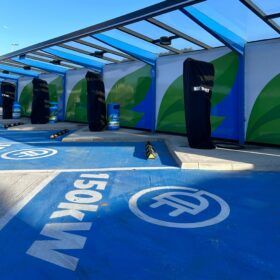
California Energy Commission announces $55 million in funding to build out EV charger network
The CEC estimates that approximately 24,000 new chargers were installed in the first half of 2024, and the Fast Charge California Project aims to incentivize even more.

Where does solar stand in Trump’s ‘all the above’ energy policy?
Wind and electric vehicles have come under the crosshairs for the Trump administration, while solar has been relatively unscathed – so far.

California EV maker unveils solar car with 64 km of daily, charge-free range
Aptera Motors, a California-based solar electric vehicle maker, has demonstrated its first production-intent design vehicle. It says it will offer up to 40 miles (64 km) of daily range from its onboard solar cells.

California hits new milestone with EV chargers
California installed 24,202 electric-vehicle chargers in the first half of 2024, bringing the total to more than 150,000.
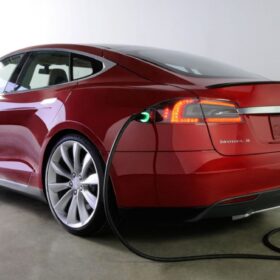
UK analyst finds incentives, education key to flexible EV tariff adoption
As a new phase of government-backed flexibility tariff trials gets underway in the United Kingdom, LCP delta analyst Shaz Shamim tells pv magazine how phase-one research revealed consumers can be convinced to hand over control when cost savings are combined with better understanding.
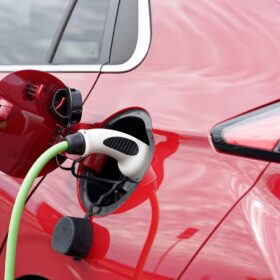
V2G tech can provide outage support, claim Australian researchers
Researchers at the Australian National University (ANU), Canberra, have shown that their response to a February 2024 grid emergency provides evidence that electric vehicles (EVs) equipped with vehicle-to-grid (V2G) systems could strengthen the grid during blackouts, marking a global first for such research.
