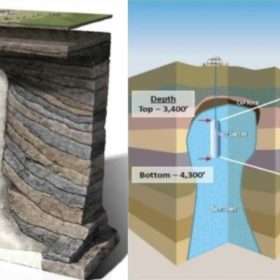
Hydrogen is the first viable option for seasonal storage
Compressed hydrogen is “the first viable option” to help meet wintertime electricity demand in a high-renewables grid, says DNV GL.
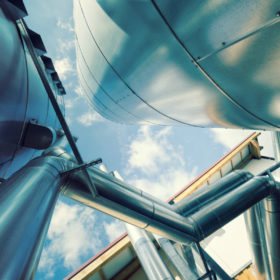
Stanwell’s utility-scale green hydrogen plans get financial shot in the arm
A feasibility study will explore a new option for producing and using renewable hydrogen, with the help of funding provided by the Australian Renewable Energy Agency (ARENA). If the study supports the business case, the project will deliver the largest hydrogen electrolysis plant in Australia.
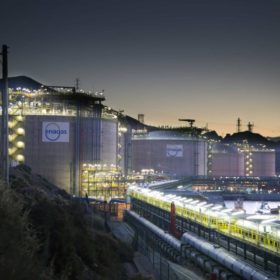
Is green hydrogen necessary to balance a renewables grid?
A report by Norwegian energy consultant DNV GL has considered the opportunity for long-term energy storage to play a role in balancing annual supply and demand fluctuations in a renewables-led grid. Using 58 years of Dutch weather and energy consumption data, the study found long-term solutions such as green hydrogen could make a valuable contribution – but perhaps not as much as some analysts believe.
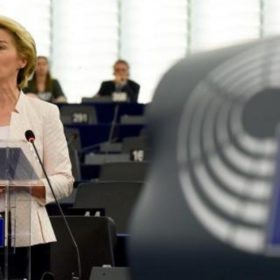
EU climate law sets the stage for a green transformation
Although decried for lacking ambition and as an abdication of responsibility in some quarters, the climate law proposed by the European Commission may be more ambitious than it first appears, as Felicia Jackson, from the center for sustainable finance of the School of Oriental and African Studies at the University of London – considers here.
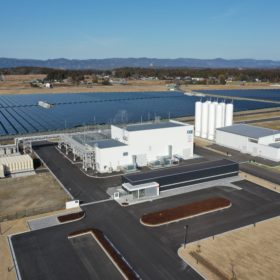
Solar-powered hydrogen production in Japan
Toshiba has finalized construction of a 10 MW hydrogen plant in Fukushima prefecture which draws power from 20 MW of solar generation capacity as well as the grid.

Renewable-powered hydrogen for Oman
Belgian engineer DEME is planning up to 500 MW of hydrogen production capacity at the port of Dumq, which is rich in solar and wind power resources. The engineer plans to ship hydrogen from the port to Europe.

Dutch grid operator expects up to 34 GW of solar by 2030
Under Tennet’s most optimistic outlook, solar generation capacity could more than double the volume of wind farms by the end of the decade, provided the Netherlands goes above and beyond Paris Agreement climate change requirements.
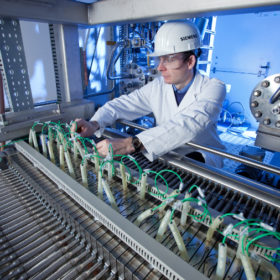
Integrated energy system could see 110 GW of electrolyzers in Germany and Netherlands
A report from Dutch grid operator TenneT and gas business Gasunie suggests the companies should jointly develop infrastructure after 2030. With hydrogen and synthetic methane in demand, electricity and gas will become increasingly inter-linked. Only seamless integration of the two networks would enable the EU to achieve its net-zero-carbon 2050 plan.
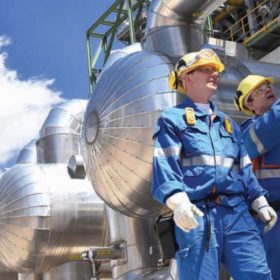
Western Australia to fund renewable hydrogen feasibility studies
The government of the state of Western Australia has allocated funding from its Renewable Hydrogen Fund toward seven feasibility studies that could pave the way for significant renewable hydrogen projects around the state.
Solar-plus-storage will start to make big inroads in the year ahead
By this time next year we may be able to wave goodbye to that old chestnut about renewables endangering security of supply. Elsewhere, the price of lithium – and the products it goes into – could go either way after tanking this year.
