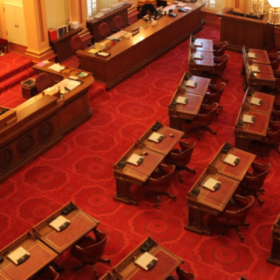
US senators call for Huawei ban in letter to energy regulator
Eleven U.S. Senators have signed a letter to the Federal Energy Regulatory Commission about the threat that Huawei’s equipment poses to the nation’s energy infrastructure.
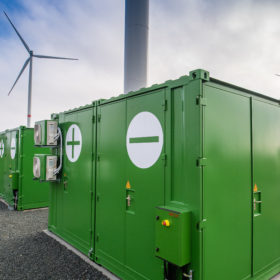
Ireland allocates 110 MW in large scale storage auction
Originally intended to commission 140 MW of storage, the tender drew three winning projects: a 50 MW system and two 30 MW facilities. Eirgrid has estimated the total value of the contracts at around €6 million per year.
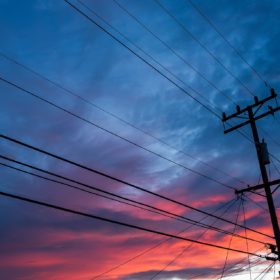
Australia’s Horizon to replace overhead network with solar and batteries
A recent project milestone saw the disconnection of properties from overhead lines and will enable 64km of poles and wires to be replaced by off-grid solar-plus-battery solutions.

Stitching together the grid of the future
A vision of a decentralized, renewable-powered electricity grid is being brought a step closer by scientists at the U.S. National Renewable Energy Laboratory. Their project, Autonomous Energy Grids, aims to take an overarching look at the solutions that will power this grid of the future, and to fill any gaps that appear between them.

Don’t have a node for your solar plant? Connect it to the railway!
Railway operators can now feasibly connect solar plants to traction substations, claims a consortium that is now working on a similar demonstration project in the U.K. Almost all of the 30 kW installation’s output will be used to move trains, but in the future storage could come into the picture for larger “railway-connected” solar power projects, says 10:10, the U.K.-based climate change charity that developed the pilot.

National Grid dives into renewable energy development
The Anglo-American company is the latest utility to enter the utility-scale solar and wind development space by closing on its acquisition of Geronimo Energy.

French-German battery alliance secures €5 billion as Tesvolt works on gigafactory
Ministers have reaffirmed plans for a Franco-German battery industry. The project is being supported in principle by the European Commission, which could give its approval by October. Meanwhile, German storage specialist Tesvolt is building a commercial storage system factory in Germany.

Chile’s energy regulator to use Blockchain
The Chilean National Energy Commission will become the country’s first public entity to adopt such technology, which it will begin to use in March.

AEE outlines key cyber security threats, as energy goes digital
A new report published by the U.S. Advanced Energy Economy Institute (AEE) identifies the biggest threats, and challenges for regulators, policymakers, technology providers and other players in protecting rapidly evolving energy systems from cyberattacks.
No stabilization without flexibilization
A new report from DNV GL stresses the value of flexibility regarding the design of future energy markets. The paper also indicates how to avoid imbalances that could cause the instability of power systems.
