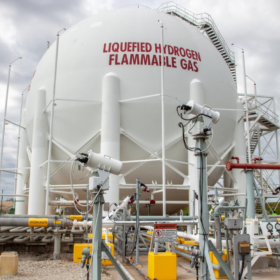
Large-scale storage options for compressed hydrogen
Researchers from Finland and Sweden have reviewed different ways to store compressed gaseous hydrogen, including storage vessels, geological storage, and other underground options.
Natural hydrogen exploration ‘boom’ snaps up one third of South Australia
South Australia has found itself at the heart of a 21st-century gold rush, though this time for naturally occurring hydrogen. Since February 2021, 18 exploration licenses have been granted or applied for in the state by six different companies searching for natural hydrogen.
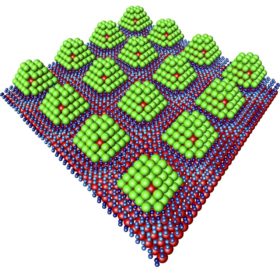
Storing hydrogen with ‘nano-chocolates’
German scientists have developed a novel hydrogen storage method that relies on nanostructures – tiny nanoparticles made of the precious metal palladium – instead of high pressure and lower temperatures.
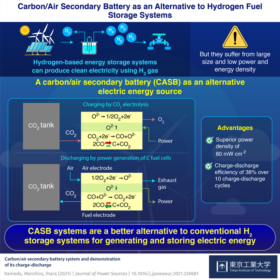
Carbon-air batteries vs hydrogen storage
Researchers from Tokyo Tech have developed an alternative to hydrogen energy storage which is smaller in size and more efficient. The system utilizes carbon as an energy source and demonstrates superior power density and charge-discharge efficiency of 38% over 10 cycles.

Storing hydrogen with aluminum hydrides
A U.S. research team has sought to improve the way aluminum hydride is used for hydrogen storage. The material was nanoconfined in a framework that is claimed to be able to overcome the challenge represented by the thermodynamic limitation of hydrides in storing the clean fuel.
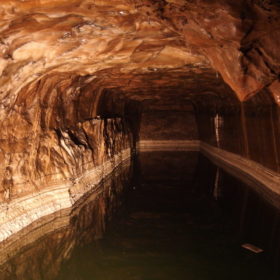
The burgeoning underground scene of hydrogen storage
Underground hydrogen storage seems to be coming up a lot lately, and with the burgeoning hydrogen industry needing somewhere to store itself, it’s not hard to understand why. One of the countries with the best credentials for the future hydrogen economy is Australia. A newly published report has quantified the country’s “massive opportunity” for underground hydrogen storage.
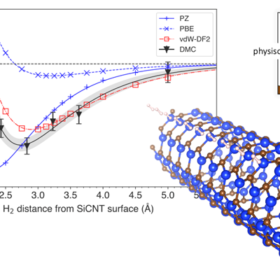
Storing hydrogen with silicon-carbide nanotubes
Storing hydrogen in carbon nanotubes and other nanostructures is still far from reaching commercial maturity. A Japanese research team, however, has developed a new simulation technology that may help better estimate the energy needed to favor the ideal interaction between hydrogen and its storage material.
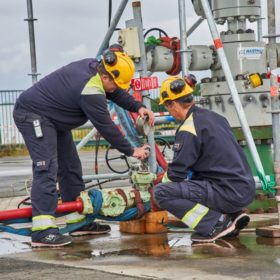
Dutch gas giant begins storing hydrogen in underground salt cavern
Operated by Gasunie, the underground storage facility is located near Veendam in the province of Groningen and should be fully operational in 2026. Tests will be run until spring 2022.

The prospects for solar in a 1.5C world
We will need 10.7 TW of clean energy generation capacity this decade to stay on track with the most ambitious of the climate change paths agreed in Paris, which would include plenty of solar investment and jobs, according to the International Renewable Energy Agency.
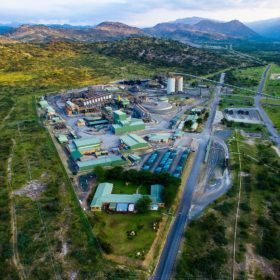
Green hydrogen supply chain concerns
With South Africa holding 63,000 of the world’s estimated 69,000 metric tons of platinum reserves – according to the Statista.com website – and Russia and Zimbabwe a further 5,100 between them, the European Commission has cited the metal as an example of a potential supply chain bottleneck that could handicap its grand plans for renewables-powered hydrogen production.
