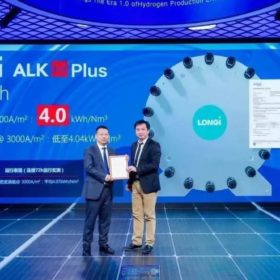
Longi releases new alkaline electrolyzer
China’s Longi claims that its new ALK Hi1 electrolyzer can produce hydrogen with an energy content of 4.3 kWh per normal cubic meter. It says the levelized cost of hydrogen could be up to 2.2% lower than other electrolyzers on the market.
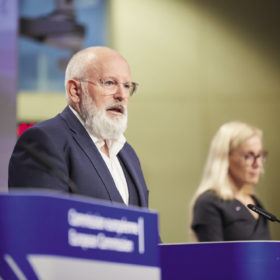
The Hydrogen Stream: Europe introduces new green hydrogen rules
The European Commission has presented the final version of its new rules for green hydrogen, with looser requirements to qualify hydrogen as “green.”
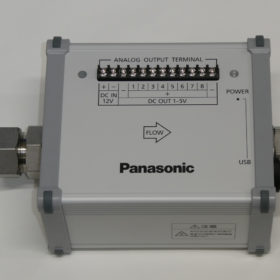
Panasonic unveils ultrasonic meter to measure hydrogen flow, concentration
Japan’s Panasonic says its new GB-L1CMH1A meter can operate without changing the state of the fuel cell. It says it can also measure a wide range of hydrogen flow rates and concentrations.
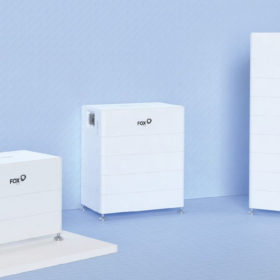
Weekend Read: Dawn of the store-age
Last year was another landmark 12 months for energy storage, with all indicators pointing to a massive surge in demand. Supply chain instability and inflation saw battery prices rise but the industry demonstrated an ability to swiftly react to geopolitical developments. We look at five trends driving the market.
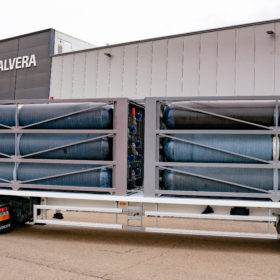
The Hydrogen Stream: Novel tube trailer for hydrogen transport
Calvera Hydrogen has claimed that its new 45-foot hydrogen tube trailer has the largest capacity in the world, Universal Hydrogen has unveiled a hydrogen-powered regional aircraft, and Masdar has signed a green hydrogen production deal with Austrian utility Verbund.
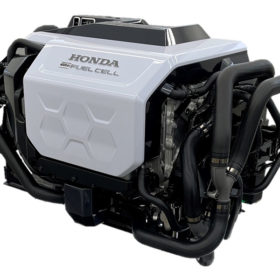
The Hydrogen Stream: Honda reveals plans to halve fuel cell costs by 2030
Honda has revealed a new hydrogen strategy, while Air Liquide and TotalEnergies have announced a new hydrogen joint venture.

India confirms focus on green hydrogen, solar and battery manufacturing
India’s 2023-24 budget shows the government’s plans to support the domestic production of lithium battery cells.
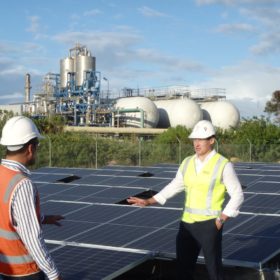
Japanese oil giant opens PV-powered hydrogen pilot in Australia
Japan’s largest oil company, Eneos, has opened a green hydrogen demonstration plant in Brisbane, Australia. The project is relatively small, producing just 20 kilograms of green hydrogen per day, but Eneos Senior Vice President Yuichiro Fujiyama says the company will expand it in the “near future.”
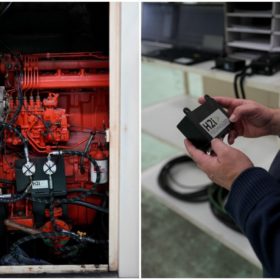
Australian startup develops systems to inject hydrogen into diesel engines
H2i Technology has developed a hydrogen enhancement kit that injects hydrogen into existing diesel engines to reduce diesel use. It is building 10 commercial-ready systems and plans to soon start field testing.

Australian scientists unveil method to produce hydrogen straight from ocean
University of Adelaide researchers and their international partners have successfully used seawater with no pre-treatment to produce green hydrogen. They did this by introducing an acid layer over the catalysts in situ.
