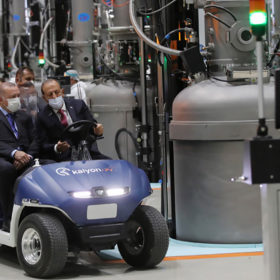
Kalyon Solar increases module capacity to 1 GW
The Turkish PV module manufacturer said the capacity increase was necessary due to increasing demand from Turkey and abroad. The plan will be implemented by June 2021.
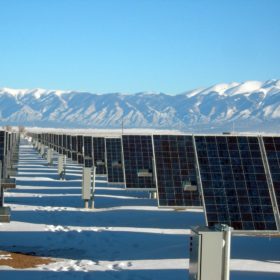
US installed 4.5 GW of utility-scale solar in 2019
For the third year in a row, more utility-scale solar was installed in the southeastern United States than any other part of the country.
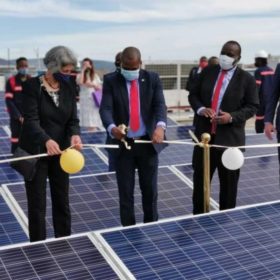
Botswana launches net metering scheme for rooftop PV
The new scheme, called Rooftop Solar Programme, is expected to allocate 10 MW of PV capacity over the next 12 months.
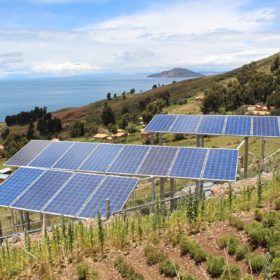
Standalone PV with pumped storage could deliver LCOE of $0.053/kWh
A new Indian study shows that standalone PV systems combined with pumped storage could be a solution to energy poverty in developing nations. This easily deployable, chemical-free approach might be best in countries that lack battery-recycling rules, the researchers said.
DC voltage regulation technique for grid-connected solar-plus-storage
Researchers in India have developed a new method to operate a solar-plus-storage system in a stable manner under varying operating conditions. They claim that their novel technique enables the regulation of the DC link voltage and is able to compensate reactive power while supplying active power to a local load in grid-connected operation.
Evolving risks could hurt PV investment flows in India
The Indian solar sector has remained buoyant amid the pandemic, with 15.3 GW of solar capacity approved in the first half itself. However, concerns are rising among India-focused investors.
Australian state plans 12 GW of renewables, 2 GW of pumped hydro by 2030
New South Wales has published a new infrastructure plans that brings together targets and policy adjustments, as the state government strives to retire coal-fired generators and fire up the economy.

Biden’s upcoming energy secretary decision stirs speculation
“We need a ‘deployment’ energy secretary,” Generate Capital President Jigar Shah said several years ago. “One who understands how entrepreneurs move from research to revenue. One who understands the difference between venture capital and project finance.”

Large scale PV project in Malawi gets financial support from African Trade Insurance Agency
The 37 MW PV project is part of Malawi’s action plan to free the country from its dependence on hydropower, which currently accounts for over 90% of its energy supply.

SunRun’s Q3 earnings reveal strong growth
Sunrun has reported a strong third quarter, as order volumes have increased significantly.
