
Multi-pyranometer tech improves solar irradiance measurements in the Arctic
Norwegian researchers have developed a multi-pyranometer method to more accurately estimate global tilted irradiance (GTI) in the Arctic by separating beam, diffuse, and reflected solar components. Validated in the world’s northermost settlement, the approach was found to outperform conventional models in high-latitude conditions and improve PV system design for extreme environments.

Inside PV Manufacturing: Belga Solar’s module factory in Belgium
In the latest article of a new series on solar manufacturing facilities around the world, pv magazine presents Belga Solar’s solar manufacturing facility in Wallonia, Belgium.

Peru opens complementary services market to support renewables
Peru’s energy ministry has proposed market-based reforms for complementary electricity services to improve grid stability amid rising solar and wind generation.
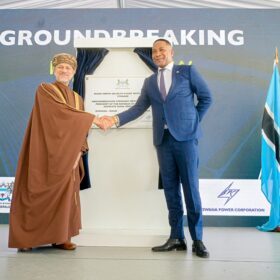
Botswana breaks ground on 500 MW solar-plus-storage project
The Maun solar project will encompass 500 MW of solar tied to 500 MWh of battery storage in northeastern Botswana, making it one of the largest projects of its kind in southern Africa. A 30-year power purchase agreement is in place between project developers Okavango Solar, wholly-owned by Oman’s NAQAA Sustainable Energy LLC, and Botswana Power Corporation.
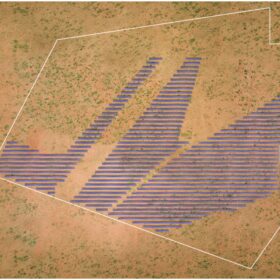
Work begins on Zambia’s largest solar-plus-storage project
Globeleq has started construction on 250 MW solar farm connected to 150 MW/600 MWh of battery storage in Zambia’s Lusaka Province.

Repowering key for Japanese solar assets approaching feed-in tariff expiry
The refinancing of GSSG Solar and Voltaiyo’s 104 MW Jupiter Portfolio comes as Japan’s first-generation feed-in tariff (FIT) projects approach the end of guaranteed rates, forcing owners to reassess revenue strategies in a shifting post-FIT market.
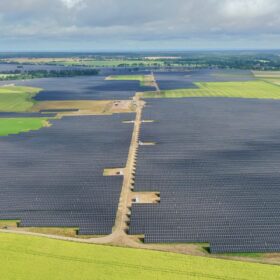
First PV plant operating in Poland’s balancing market
The 204 MW Zwartowo solar power plant is the first large-scale solar project authorized to provide balancing services in Poland.

Rethinking silver paste design for TOPCon, LECO solar cells
Researchers in China have developed an evaluation framework to better assess fine-line silver pastes for TOPCon and LECO solar cells. The approach links laboratory characterization directly with production-line performance, addressing the limitations of conventional evaluation methods.

Maldives’ largest floating solar array goes online
Swimsol says the 2.4 MW floating PV array will supply the resort island of Cheval Blanc Randheli, reducing diesel consumption and saving about $1.5 million in fuel costs. The company’s engineering team told pv magazine how the system will operate.
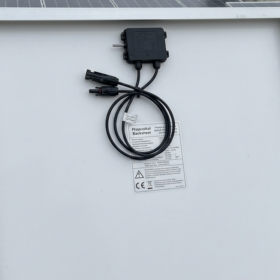
No evidence of PFAS leaching from solar panels, study finds
Researchers in the United States reviewed claims about PFAS in solar panels and found that while fluoropolymers may be used in limited components like backsheets or coatings, there is no confirmed evidence of PFAS leaching from commercially deployed modules. The study highlights widespread confusion between different PFAS types and emphasizes the need for clearer communication and transparency around fluoropolymer use in PV technologies.
