War in Ukraine pushes solar PPA prices in Europe up to €0.038-€0.074/kWh
Renewables-linked PPA prices have shot up nearly 30% in a year, especially due to the war in Ukraine, according to the latest Levelten Energy report.
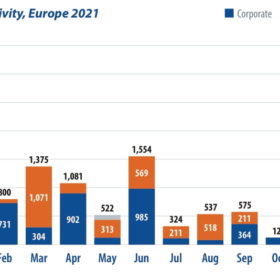
The weekend read: Market turmoil drives change in PPAs
Utilities are reshaping their PPA strategies as hungry corporates twist what we thought we knew about procurement approaches. All the while, project owners and operators are seeking an answer to the lingering question: After the 10-year PPA, what next? Luca Pedretti, chief operating officer at Pexapark, reads the market and predicts how we can move forward.
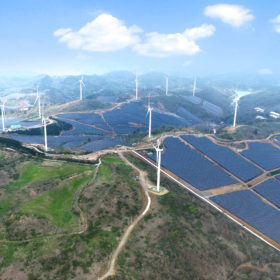
South Korea’s first renewables-linked PPA
Korean beauty products supplier Amorepacific has agreed to buy electricity from 5MW of renewables operated by LNG provider SK E&S. The 20-year deal is South Korea’s first step into unsubsidized renewable energy development.
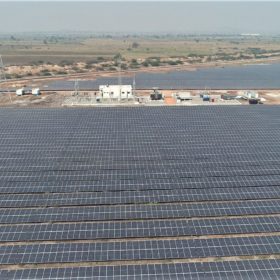
India installed 1.2GW of unsubsidized solar in 2021
India surpassed 5GW of cumulative, “open-access” solar capacity in December.
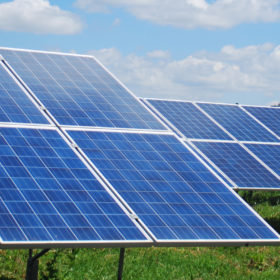
Telecoms business signs Bulgaria’s ‘first sleeved solar power deal’
The clean power to be generated by Sofia-based developer Renalfa will be matched to the consumption profile of customer A1 Bulgaria by a subsidiary, utility business unit of the renewables company.
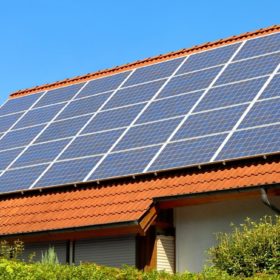
Mini-PPAs for residential PV in Germany
German renewable energy producer Trianel plans to buy solar power from residential PV systems via mini power purchase agreements, starting from the second quarter. It will then sell the electricity to the energy futures market.
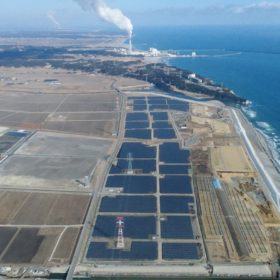
Solar PPA business on the rise in Japan
Sumitomo, Sunseap and Shikoku Electric are partnering to offer bilateral PPAs to big power consumers in Japan. The consortium will operate through a dedicated joint venture and will offer three different PPA options.
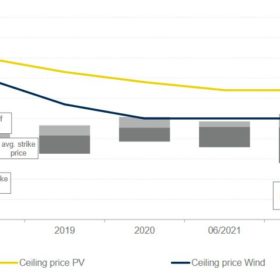
Latest Polish renewables auction shows momentum of unsubsidized solar
Recent analysis from German consultancy Enervis has shown that only 40% of the electricity to be generated by solar capacity in Poland’s latest auction for utility scale renewables will be sold under the exercise’s contracts for difference regime, and that the remaining share will be sold under bilateral power purchase agreements or to the spot market.
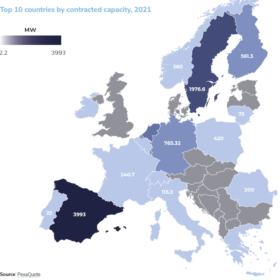
Spain largest PPA market in Europe last year with almost 4 GW of deals
According to Swiss consultancy Pexapark, around 11 GW of power purchase agreements were closed in Europe last year. For 2022, the analyst expects shorter deals and the presence of more new entrants.

Venture capitalist sees billion-dollar opportunities for solar and storage innovators
Bill Nussey describes in his new book a much larger role that he foresees for local solar and storage, and a correspondingly altered role for electric utilities.
