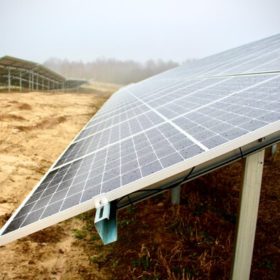
Unsubsidized solar projects proliferate in Poland
Four new PV developments have been announced this week, adding to a growing list of renewable energy projects in the coal-dependent Eastern European country.
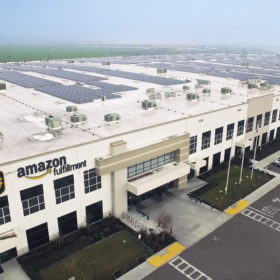
Stepping UP in 2021: #3 Sustainable electricity and corporates’ critical solar role
Despite the global Covid-19 pandemic and recession, corporate purchases of clean energy are booming. Several factors are driving this trend, including falling costs, a heightened appetite for sustainability among consumers and investors, and increased political will for net-zero development. In recognition of this, the UP Initiative spent Q3 2021 investigating sustainable electricity supply. How are PPA models evolving? What are the critical issues around residual energy? And how can greenwashing be avoided? Read on to discover more.
Baywa re wraps up major virtual PPA with Finnish packaging giant
The German clean power company and Huhtamaki have signed a 10-year deal that will ensure the construction of two solar farms in southern Spain with an aggregate generation capacity of around 135 MWp.
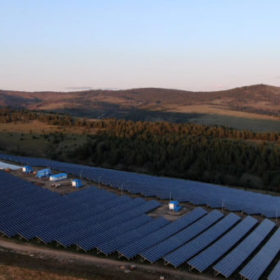
Vershina Group secures PPA for 600 kW project in Russia
The solar array will cover around 30% of the electricity needs of a Leroy Merlin hypermarket in Volzhsky, in Russia’s Volgograd region.
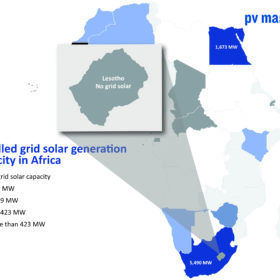
Scatec lands PPA for Lesotho’s first independently built solar plant
The nation’s first independently developed solar farm will have a generation capacity of 20 MW and will sell electricity to the national utility under a 25-year contract.
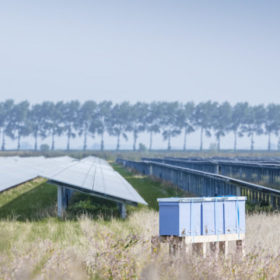
Netherlands’ first unsubsidized solar park
The 16 MW project is under development by Swedish-based utility Vattenfall. Construction is scheduled to start in 2024.
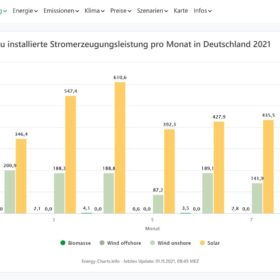
Germany has installed 4 GW of PV so far this year
In June alone, new PV additions totaled 406 MW. Feed-in tariffs were reduced by another 1.4%.
EU Commission suggests renewable energy PPAs can combat skyrocketing energy prices
The situation in the energy markets is tense. Following national pushes for action, the European Commission has now announced its set of recommendations to combat rocketing energy prices.

Stormy skies ahead for Spanish electricity sector
Iberdrola has revealed plans to halt new projects and renegotiate supply contracts in Spain, while companies and associations have asked the European Commission for help, amid warnings about investment risks and rising electricity prices.
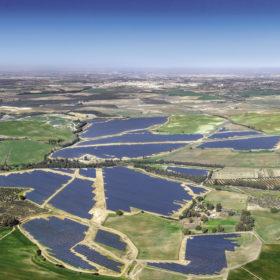
The weekend read: Price cannibalization threatens PV growth
As solar deployment increases, concerns about price cannibalization continue to be more and more relevant. Large-scale solar generation during midday hours may result in curtailment or unprofitable wholesale power prices. As supply increases, the economic viability of solar PV projects could fall into question.
