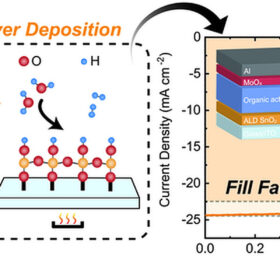
Tin oxide-based organic solar cell hits 17.26% efficiency, 79% fill factor
Dutch scientists have used atomic layer deposition to build an organic solar cell with a tin oxide electron transport layer. This improved electron mobility and transparency, resulting in a record fill factor.
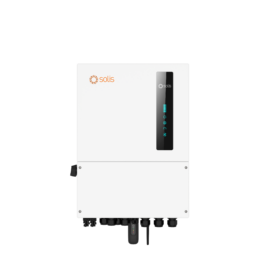
Solis unveils hybrid inverters for rooftop applications
Solis has released a new line of hybrid inverters in five different power output versions, ranging from 3 kW to 8 kW. The hybrid inverters can be used with either lithium-ion or lead-acid batteries, with a maximum charging and discharging current of 190 A.

Aiko Solar expands solar cell, module capacity by 30 GW
China’s Aiko Solar plans to build a new factory in three 10 GW phases over the next five years. Construction of the first phase is expected to begin in early 2024.
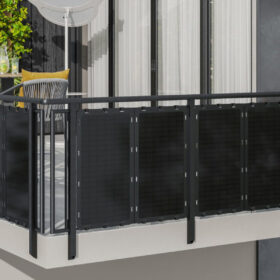
TÜV offers guidance on plug-in balcony solar panels
Balcony solar modules are becoming increasingly popular. TÜV, a technical inspection association in Germany, has come up with tips to safely install and operate them.
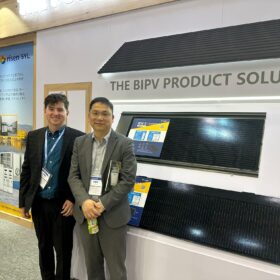
High hopes for heterojunction
In recent months, China’s Risen Energy has posted impressive module efficiencies, closing in on 24%, with its hyper-ion series. The company will ramp up to large-scale production of these heterojunction products in the first half of 2023, and pv magazine recently caught up with Risen Energy’s Chief Information Officer Terry Wu to discuss this, as well as the company’s work on energy storage projects.
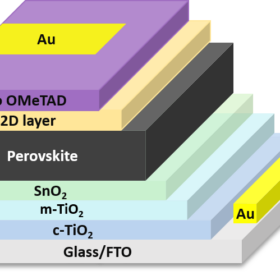
3D/2D perovskite solar cell treated with substituted PEAI hits 23.08% efficiency
An international research team has fabricated a quasi-2D perovskite solar cell with a special kind of phenethylammonium iodide (PEAI) salt to enhance hole extraction. The result is a 23.08%-efficient device that is also able to retain 95% of its initial efficiency after 900 hours.

Biden to maintain US solar tariff pause with veto
US legislators are moving to restore tariffs for the shipment of solar components from four major Southeast Asian nations, but US President Joe Biden will veto the move and maintain the pause on tariffs.
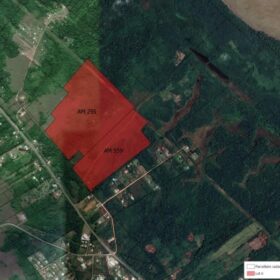
French Guiana tenders public land for solar deployment
The authorities in French Guiana plan to allocate 550 hectares of public land for agrivoltaics and large solar-plus-storage projects.
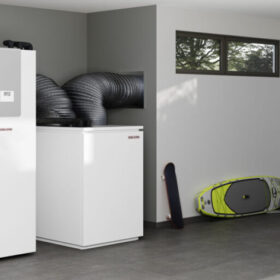
German manufacturer to invest €450 million in heat pump expansion
Stiebel Eltron says it will quadruple its heat pump manufacturing capacity at its factory in Holzminden, Germany. It also plans to triple the number of industrial jobs it provides to 1,200 positions by 2027.
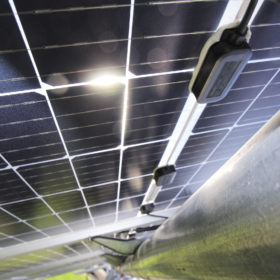
Scientists compare PVsyst, Comsol software in assessments of bifacial PV
Spanish researchers compared two software programs that are used to analyze bifacial PV systems. They found that PVsyst outperformed Comsol in calculating solar production in nearly all cases.
